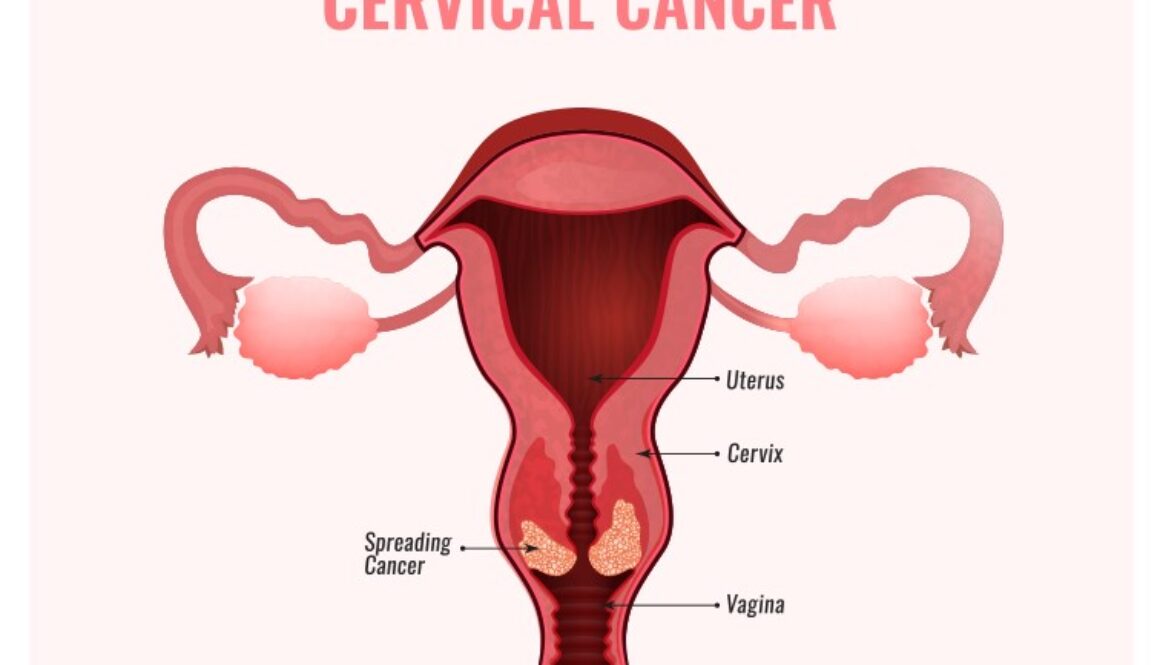
Prognosis and Survival Rates of Gynecological Cancers Prognosis and Survival Rates of Gynecological Cancers Gynecological cancers affect the reproductive organs and are among the most prevalent cancers in women globally. These include cervical, ovarian, uterine (endometrial), vaginal, and vulvar cancers. Survival rate of gynecological cancer: Whatever the type of gynecological cancer, early detection plays a significant role in improving outcomes; the survival rates vary widely depending on the type, stage at diagnosis, and overall health of the individual. In this blog, we will learn about the prognosis and survival rate of gynecological cancer. Let us try to understand risks, outcomes, and the importance of timely intervention. Understanding Prognosis and Survival Rate of Gynecological Cancer Prognosis refers to the likely course and outcome of a disease, including chances of recovery. Survival rates indicate the percentage of patients who live for a certain period (typically 5 years) after diagnosis. These figures are general estimates based on past data; individual outcomes can differ significantly. Cervical Cancer 📌 Overview: Cervical cancer develops in the cells of the cervix, often caused by persistent infection with high-risk strains of the human papillomavirus (HPV). 📊 Survival Rates Localized (confined to cervix): ~92% Regional spread (nearby tissues/lymph nodes): ~59% Distant metastasis: ~17% Overall 5-year survival rate: ~66% ✅ Prognosis Early-stage cervical cancer has an excellent prognosis. The widespread use of Pap smears and HPV vaccines has significantly reduced incidence and improved early detection rates. Uterine (Endometrial) Cancer 📌 Overview The most common gynecologic cancer in developed countries, it typically affects postmenopausal women and is often detected early due to abnormal bleeding. 📊 Survival Rates Localized: ~95% Regional: ~70% Distant: ~18% Overall 5-year survival rate: ~81% ✅ Prognosis Generally favorable, especially when diagnosed early. Type I endometrial cancers (estrogen-dependent) have better outcomes than Type II (non-estrogen-dependent), which are more aggressive. Vaginal Cancer 📌 Overview A rare type, often linked to HPV, vaginal cancer usually affects older women and can be asymptomatic in its early stages. 📊 Survival Rates Localized: ~67% Regional: ~52% Distant: ~19% Overall 5-year survival rate: ~50% ✅ Prognosis Outcomes depend on the stage and type of cancer. Early detection significantly improves prognosis, though it is often diagnosed late due to a lack of symptoms. Vulvar Cancer 📌 Overview This rare cancer affects the external genitalia and is most common in older women. Risk factors include HPV infection and lichen sclerosus 📊 Survival Rates Localized: ~86% Regional: ~54% Distant: ~19% Overall 5-year survival rate: ~71% ✅ Prognosis When caught early, vulvar cancer has a good prognosis. Surgical removal is often effective, and survival rates have improved with better awareness and screening. Factors Influencing Prognosis Several factors can influence the prognosis and survival rates of gynecological cancers: Stage at diagnosis Tumor grade and type Age and overall health Response to treatment Access to specialized care Genetic mutations (e.g., BRCA1/BRCA2 in ovarian cancer) Improving Survival: Prevention & Early Detection While some risk factors like age and genetics are unavoidable, women can take proactive steps to protect themselves: Regular screenings (Pap smears, HPV testing) HPV vaccination Maintaining a healthy lifestyle Being alert to symptoms like abnormal bleeding, pain, or bloating Genetic counseling for those with a family history of cancer Final Thoughts Gynecological cancers, though serious, are not without hope. Early detection, access to quality healthcare, and ongoing research are improving the survival rate of gynecological cancer and quality of life for thousands of women each year. Understanding the prognosis and survival trends empowers women to make informed decisions about their health and seek help when needed. Your health is your power. Prioritize regular check-ups and stay informed—it can save your life. For more such information on gynecological cancers, visit our site or meet us personally. Heal, Therapy, Insight Facebook Twitter Linkedin
Gynecological Cancer Awareness Early Diagnosis Saves Lives
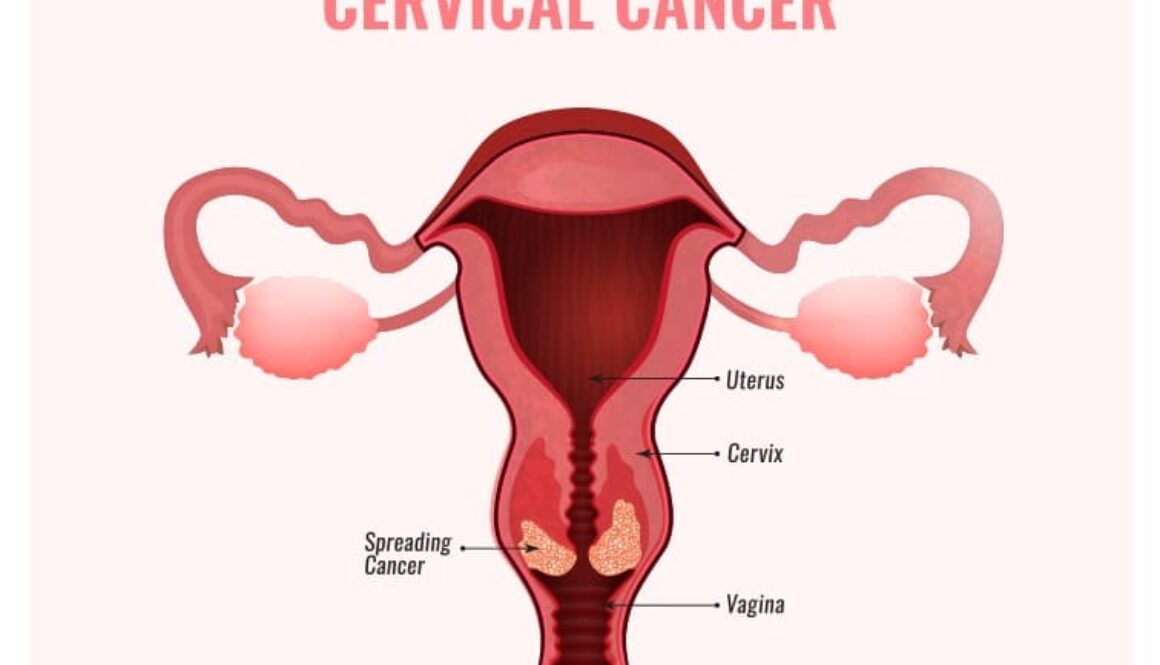
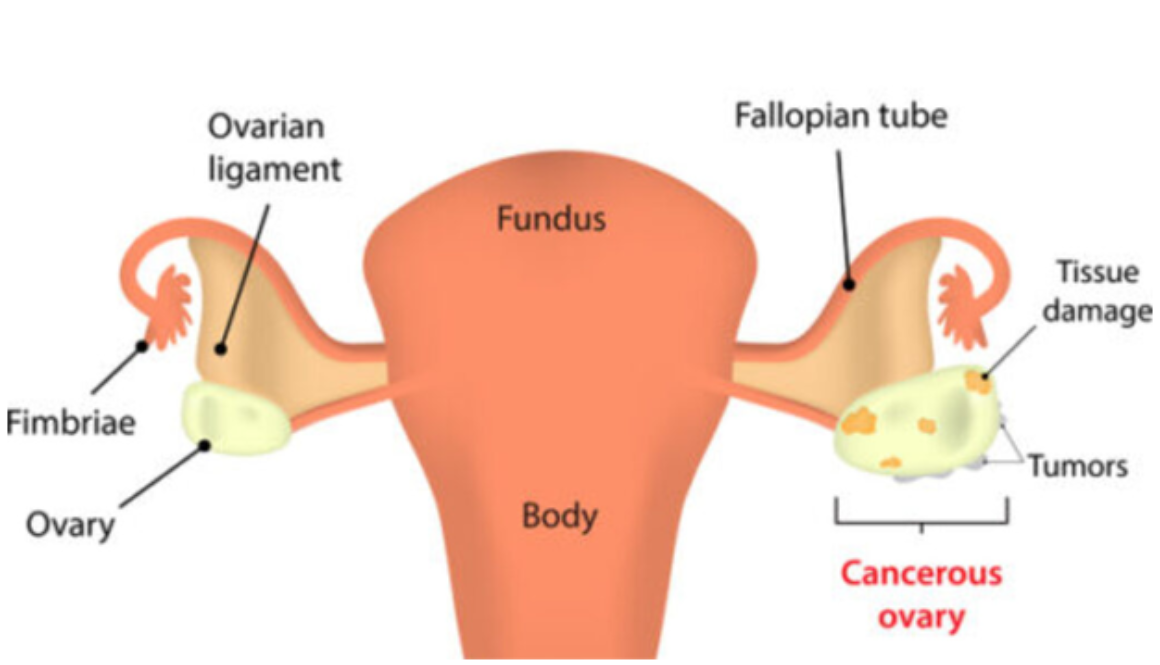
Prognosis and Survival Rates of Gynecological Cancers Prognosis and Survival Rates of Gynecological Cancers Gynecological cancers affect the reproductive organs and are among the most prevalent cancers in women globally. These include cervical, ovarian, uterine (endometrial), vaginal, and vulvar cancers. Survival rate of gynecological cancer: Whatever the type of gynecological cancer, early detection plays a significant role in improving outcomes; the survival rates vary widely depending on the type, stage at diagnosis, and overall health of the individual. In this blog, we will learn about the prognosis and survival rate of gynecological cancer. Let us try to understand risks, outcomes, and the importance of timely intervention. Understanding Prognosis and Survival Rate of Gynecological Cancer Prognosis refers to the likely course and outcome of a disease, including chances of recovery. Survival rates indicate the percentage of patients who live for a certain period (typically 5 years) after diagnosis. These figures are general estimates based on past data; individual outcomes can differ significantly. Cervical Cancer 📌 Overview: Cervical cancer develops in the cells of the cervix, often caused by persistent infection with high-risk strains of the human papillomavirus (HPV). 📊 Survival Rates Localized (confined to cervix): ~92% Regional spread (nearby tissues/lymph nodes): ~59% Distant metastasis: ~17% Overall 5-year survival rate: ~66% ✅ Prognosis Early-stage cervical cancer has an excellent prognosis. The widespread use of Pap smears and HPV vaccines has significantly reduced incidence and improved early detection rates. Uterine (Endometrial) Cancer 📌 Overview The most common gynecologic cancer in developed countries, it typically affects postmenopausal women and is often detected early due to abnormal bleeding. 📊 Survival Rates Localized: ~95% Regional: ~70% Distant: ~18% Overall 5-year survival rate: ~81% ✅ Prognosis Generally favorable, especially when diagnosed early. Type I endometrial cancers (estrogen-dependent) have better outcomes than Type II (non-estrogen-dependent), which are more aggressive. Vaginal Cancer 📌 Overview A rare type, often linked to HPV, vaginal cancer usually affects older women and can be asymptomatic in its early stages. 📊 Survival Rates Localized: ~67% Regional: ~52% Distant: ~19% Overall 5-year survival rate: ~50% ✅ Prognosis Outcomes depend on the stage and type of cancer. Early detection significantly improves prognosis, though it is often diagnosed late due to a lack of symptoms. Vulvar Cancer 📌 Overview This rare cancer affects the external genitalia and is most common in older women. Risk factors include HPV infection and lichen sclerosus 📊 Survival Rates Localized: ~86% Regional: ~54% Distant: ~19% Overall 5-year survival rate: ~71% ✅ Prognosis When caught early, vulvar cancer has a good prognosis. Surgical removal is often effective, and survival rates have improved with better awareness and screening. Factors Influencing Prognosis Several factors can influence the prognosis and survival rates of gynecological cancers: Stage at diagnosis Tumor grade and type Age and overall health Response to treatment Access to specialized care Genetic mutations (e.g., BRCA1/BRCA2 in ovarian cancer) Improving Survival: Prevention & Early Detection While some risk factors like age and genetics are unavoidable, women can take proactive steps to protect themselves: Regular screenings (Pap smears, HPV testing) HPV vaccination Maintaining a healthy lifestyle Being alert to symptoms like abnormal bleeding, pain, or bloating Genetic counseling for those with a family history of cancer Final Thoughts Gynecological cancers, though serious, are not without hope. Early detection, access to quality healthcare, and ongoing research are improving the survival rate of gynecological cancer and quality of life for thousands of women each year. Understanding the prognosis and survival trends empowers women to make informed decisions about their health and seek help when needed. Your health is your power. Prioritize regular checkups and stay informed—it can save your life. For more such information on gynecological cancers, visit our site or meet us personally.
At What Age Does the Risk of Gynecological Cancers Increase in Women?
Does cancer risk increase with age: Gynecological cancers affect a significant number of women worldwide. While these cancers can develop at any age, their risk tends to increase with age due to hormonal changes, genetic predisposition, family history and environmental factors. Understanding when each type of gynecological cancer becomes more prevalent can help women take proactive steps in prevention, screening, and early detection. Does Cancer Risk Increase with Age Cervical Cancer (Ages 20-50) Peak Risk Age: 30s to 40s Cervical cancer is primarily caused by persistent infection with high-risk strains of the Human Papillomavirus (HPV). Women in their 20s and early 30s are most likely to contract HPV, but it takes years for precancerous lesions to develop into cervical cancer, making the peak risk period in the 30s and 40s. Prevention & Screening HPV vaccination (recommended between ages 9-26, but beneficial up to age 45) Regular Pap smears and HPV tests starting at age 21 Safe sexual practices and smoking cessation Ovarian Cancer (Ages 50-70) Peak Risk Age: Late 50s to early 60s Ovarian cancer is often called the “silent killer” because its symptoms are vague and can go unnoticed until the disease has advanced. The risk significantly increases after menopause, with most cases diagnosed in women over 50. Prevention & Screening: Genetic testing for BRCA1 and BRCA2 mutations (especially for those with a family history) Regular pelvic exams and transvaginal ultrasounds for high-risk individuals Consideration of oral contraceptives, which lower the risk of ovarian cancer Endometrial (Uterine) Cancer (Ages 50-70) Peak Risk Age: 50s Endometrial cancer is the most common gynecological cancer, and it primarily affects postmenopausal women. A major risk factor is prolonged exposure to estrogen, either due to obesity, hormone replacement therapy, or conditions like polycystic ovary syndrome (PCOS). Symptoms Unusual bleeding between periods Spotting or vaginal bleeding after menopause Lower abdominal cramping or pain Postmenopausal bleeding – white or clear discharge Extremely prolonged, heavy or frequent vaginal bleeding if you’re older than 40. Prevention & Screening Maintaining a healthy weight and active lifestyle Monitoring abnormal bleeding and seeking medical advice Considering progesterone therapy if on estrogen-only hormone replacement therapy Vulvar Cancer (Ages 60-80) Peak Risk Age: 70s Vulvar cancer is relatively rare but is more commonly diagnosed in older women. HPV infection and chronic inflammatory conditions, such as lichen sclerosus, increase the risk. Prevention & Screening: HPV vaccination Regular gynecological exams Monitoring for persistent itching, pain, or skin changes in the vulvar area Vaginal Cancer (Ages 60-80) Peak Risk Age: 60s to 70s Vaginal cancer is also rare and mostly affects postmenopausal women. The risk factors include HPV infection, previous history of cervical cancer, and smoking. Prevention & Screening: Routine Pap smears can sometimes detect precancerous vaginal lesions HPV vaccination Avoiding smoking and maintaining overall vaginal health Bottom Line Gynecological cancers present risks at different stages of a woman’s life, with some occurring in younger women and others predominantly in postmenopausal individuals. Regular screenings, vaccination, a healthy lifestyle, and awareness of symptoms play crucial roles in prevention and early detection. Women should discuss their risk factors with their gynecological oncologists to determine appropriate screenings and preventive measures.
The Use of Cosmetics and the Risk of Cancer in Women
The Use of Cosmetics and Cancer Risk in Women Cosmetics and cancer risk: In today’s beauty-focused world, cosmetics have become essential to daily routines. From skincare to makeup, these products promise improved appearance, self-confidence, and skin health. However, as we invest in these products, a question arises: could there be hidden health risks, including cancer, associated with using cosmetics? This blog delves into the potential links between cosmetics and cancer, focusing on what women should know to make safer choices. Understanding Cosmetics and Cancer Risk Due to Their Ingredients Cosmetics encompass many products, including moisturizers, makeup, perfumes, and hair care products. Each contains numerous ingredients designed to have a specific effect, like moisturizing skin, adding color, or preserving shelf life. Some common types of ingredients include: Preservatives like parabens, which prevent bacterial growth but can mimic estrogen in the body. Fragrances, which can contain hundreds of unlisted chemicals to create specific scents. Colorants derived from synthetic or natural sources. UV filters to prevent sun damage. Heavy metals such as lead, cadmium, or mercury, are sometimes found as impurities. While these ingredients are generally deemed safe in small amounts, concerns arise with regular, prolonged exposure. The Possible Link Between Cosmetics and Cancer Risk There’s ongoing research examining whether certain cosmetic ingredients may contribute to cancer risk. Here’s a closer look at some areas of concern: Parabens and Breast Cancer Parabens are common preservatives that can mimic estrogen in the body, a hormone linked to breast cancer. Some studies have found parabens in breast tumors, although it remains unclear if parabens cause cancer or accumulate in the tissue. Current research suggests that chronic exposure to parabens may pose a risk, particularly with products applied to the underarms or chest area. Formaldehyde and Formaldehyde-Releasing Agents Formaldehyde, a known carcinogen, is sometimes used in nail products and certain hair treatments like keratin straighteners. It may also be released slowly by preservatives found in lotions and makeup. The International Agency for Research on Cancer (IARC) classifies formaldehyde as a carcinogen linked to cancers of the nasal cavity, sinuses, and possibly leukemia. This risk increases with direct inhalation or prolonged skin exposure. Phthalates and Reproductive Health Phthalates, commonly used to make fragrances last longer, are hormone disruptors that can interfere with the endocrine system. Although their link to cancer is still being researched, studies suggest that phthalates may affect fertility and increase the risk of certain hormone-related cancers, particularly breast cancer. Talc and Ovarian Cancer Talcum powder, often used in body powders and facial makeup, has faced scrutiny due to its potential link to ovarian cancer. While studies are mixed, some have shown a slight increase in ovarian cancer risk in women who regularly use talc in the genital area. Talc itself isn’t necessarily carcinogenic, but if contaminated with asbestos, it can pose a serious cancer risk. Heavy Metals in Lipsticks and Eye Makeup Heavy metals, such as lead in lipsticks and mercury in skin-lightening creams, can accumulate in the body over time. Chronic exposure to lead is associated with various health issues, including neurological and developmental disorders, while mercury is toxic to the kidneys and nervous system. Though the quantities in cosmetics are generally low, prolonged use and accumulation may contribute to cancer risk over time. What the Research Says: Cosmetics and Cancer Risk and Regulations Research on the use of cosmetics and cancer risk is ongoing, and much of it is still inconclusive. While animal studies have shown some evidence linking certain chemicals to cancer, translating these results to human exposure remains challenging due to differences in dosage and exposure patterns. Regulatory bodies like the FDA in the U.S. and the European Union impose safety guidelines for cosmetic ingredients, but these regulations vary widely between countries. The European Union, for instance, has stricter controls, banning over 1,300 chemicals, while the U.S. FDA bans or restricts only about 30. How Women Can Make Safer Choices If you’re concerned about the potential risks associated with cosmetics, there are steps you can take to limit exposure: Opt for “Clean” or “Natural” Brands: These often avoid ingredients like parabens, phthalates, and formaldehyde-releasing agents. Be sure to read ingredient lists and check for third-party certifications. Limit Fragrance Use: Since fragrances can contain undisclosed chemicals, consider using fragrance-free or essential oil-based products to reduce exposure to synthetic additives. Use Fewer Products: Reducing the number of cosmetics, you use can limit cumulative exposure to potentially harmful ingredients. Avoid Talc-Based Products for Genital Use: Although the link between talc and cancer isn’t confirmed, you can minimize potential risk by choosing talc-free powders. Check Expiration Dates and Storage Conditions: Using old or improperly stored products increases the risk of bacterial contamination and degradation of preservatives, which can increase irritation or other adverse effects. Research Brands and Ingredients: Websites and apps such as the Environmental Working Group’s (EWG) Skin Deep database provide information on the safety of cosmetics and their ingredients. Final Thoughts: Choosing Beauty and Health While cosmetics enhance beauty and self-confidence, awareness of potential risks allows for more informed choices. Although there’s no need to abandon cosmetics altogether, understanding ingredient labels and making thoughtful choices can reduce exposure to potentially harmful chemicals. Science continues to evolve, and as researchers delve deeper into the long-term effects of cosmetics, consumers can stay vigilant and prioritize products that align with both beauty and health goals. Heal, Therapy, Insight Facebook Twitter Linkedin
Breast Conservation Surgery
Breast Cancer Treatment – Types of Surgeries & Therapies Breast cancer behaviour and biology affect the treatment. Some types of breast cancers are aggressive – though they are small, they grow quickly. Female breast surgeon in Hyderabad, Dr Geetha Nagasree Larger breast cancers grow slowly. Therefore, treatment methodologies and approaches vary depending on the type, nature and behaviour of cancer. Therefore, any good female breast surgeon in Hyderabad, formulates personalized treatment plans that depends on several factors – such as stage, type of breast cancer (inflammatory type, lobular or triple-negative and others), the overall health of the patient, age, presence of inherited gene mutations such as BRCA1 or BRCA2 and menopausal status of the women. Female breast surgeon in Hyderabad, recommends systemic treatment for large breast cancer – which includes neoadjuvant therapy. Chemotherapy and hormonal therapy are given before surgery – which helps in shrinking cancer. If the tumour shrinks, it will be helpful to perform breast-conserving surgery (lumpectomy) in place of mastectomy. What is adjuvant therapy? Breast cancer surgeons recommend other treatments after breast cancer surgery. This type of treatment is known as adjuvant therapy. It may include chemotherapy, radiation therapy, hormonal therapy or targeted therapy. This type of treatment approach helps in reducing the risk of recurrence of breast cancer after an early-stage treatment by surgery. What are the types of breast cancer surgeries? Lumpectomy or segmental mastectomy – which is also known as a partial mastectomy or quadrantectomy – Is a breast-conserving surgery. Women diagnosed with early-stage breast cancer and also having BRCA1 and BRCA2 gene mutations are suitable for this type of surgery. In addition to gene status, other factors may also determine the type of surgery for a patient. During this surgical procedure, breast lump (tumour) is removed along with a cancer-free margin of healthy tissue. Radiation therapy is often recommended after surgery. Mastectomy: In this type of breast surgery, breast surgeon removes the entire breast. There are other types of mastectomies – it is better to discuss with your doctor regarding those procedures. Mastectomy depends on the size of the breast tumour – if it is large, then the entire breast is removed. What is reconstructive (Plastic) breast surgery?Breast reconstruction means reconstructing breast using tissues from other body parts or synthetic implants. A plastic surgeon performs breast reconstruction. It can be an immediate reconstruction when it is done at the time of mastectomy or a delayed one if it is done in the future. Plastic surgeons perform breast reconstruction surgery after mastectomy or lumpectomy.The doctors who specialize in the diagnosis and treatment of breast cancer belong to different specialities of breast cancer treatment. For instance, surgical oncologist, radiation oncologist and medical oncologist form a team and work together with other specialists – such as pathologists and radiologists. They together prepare a comprehensive breast cancer treatment plan. They treat a patient with a combination of different types of treatments. In other words, they form a multidisciplinary team and work collaboratively. Other Treatment Modalities Chemotherapy – This is the type of treatment that involves the use of drugs to destroy cancer cells and to prevent them from growing and dividing. It can be used as neoadjuvant chemotherapy or adjuvant chemotherapy. Hormonal therapy (endocrine therapy). In breast cancer treatment, it acts as anti-Estrogen or anti-hormone therapy to block hormone action or lower their levels in the body. Doctors give this therapy prior to surgery (neoadjuvant therapy) to shrink the tumour or to reduce the chances of its recurrence. When it is given after the surgery to reduce the risk of recurrence, it is called adjuvant therapy. Targeted therapy for breast cancer: In this type of therapy drugs are used to target specific genes, proteins or the tissue environment that support cancer cells’ growth. Targeted therapy is a treatment that targets cancer’s specific genes, proteins, or the tissue environment that contributes to cancer growth and survival. These treatments are very focused and work differently than chemotherapy. This type of treatment blocks the growth and spread of cancer cells and limits damage to healthy cells. Immunotherapy – it is used for advanced or metastatic breast cancer Bottom Line We encourage patients to talk with us regarding the goals of each treatment and also about the possible outcomes and side effects of treatment. The patients should also talk about any other concerns related to the treatment they may have. In addition to medical and surgical care, palliative care (supportive) is also important to stop, slow or eliminate cancer. Palliative care includes emotional support, nutritional changes, relaxation techniques and other therapies to achieve treatment goals faster. Dr Geetha Nagasree Dr Geetha Nagasree is the first female M Ch qualified surgical oncologist in the twin states of Andhra Pradesh and Telangana. Currently, she is the most sought-after female breast surgeon in Hyderabad. If you are searching for a breast cancer specialist in Hyderabad, then fix an appointment with her to discuss all the concerns you have regarding breast cancer treatment. READ MORE – YOU MUST KNOW THIS ABOUT BREAST CONSERVATION SURGERY Heal, Therapy, Insight Facebook Twitter Linkedin
Metastatic Breast Cancer Facts
Metastatic Breast Cancer Facts Breast cancer cells from the original tumour break down and move to other body parts through the bloodstream or lymphatic system. When this happens, it is known as metastatic breast cancer or stage IV breast cancer. The organs to which breast cancer can most commonly spread include bones, lungs, brain and liver. Metastatic breast cancer in a different body organ or part is the cancer made up of breast cancer cells, but not from the cells of the organ in which the cancer is present. Treatment can control and manage metastatic breast cancer for a number of years though cancer may not go away completely. Metastatic breast cancer can sometimes remain active and then goes into remission at other times. To manage breast cancer at this stage, many different treatments or a combination of treatments are often used. An oncologist can try another treatment if one treatment stops working. In some women, their first breast cancer diagnosis can itself turn out to be metastatic breast cancer. When breast cancer is detected at this stage, it means it was not detected or diagnosed in the early stage. It is possible that breast cancer may be detected in another part of the body even after months and years of original diagnosis and treatment. In approximately 25% to 30% of women diagnosed with early-stage breast cancer, there is a possibility of developing metastatic breast cancer.Women living with metastatic breast cancer should not think that the situation is hopeless as many women continue to live long and productive lives even in this stage of cancer. Heal, Therapy, Insight Facebook Twitter Linkedin
Ovarian Cancer Risk Factors – When to See a Gynaec Oncologist
Ovarian cancer risk factors: According to a study published in the International Journal of Cancer Research, the risk of ovarian cancer was strongly related to intake of high fat, menarche at an early age, and post-menopausal status. Furthermore, the risk was reduced for menarche at a later age by 80% by one birth event and six times for menarche at a later age. This was a case-control study in the Tiruchirappalli district of Tamil Nadu, India. What are the other main clinical risk factors for ovarian cancer? The major risk factor is a family history of ovarian cancer. This prominent risk factor is helpful in evaluating a woman’s overall lifetime risk of ovarian cancer. According to a study done by Rinmann et al., in 2004 – another major risk factor is hormonal therapy and reproductive behaviors of women. Older women are at risk (advancing age is another risk factor). In a majority of the women who have been diagnosed with ovarian cancer, the average age was around 60 years. Ovarian cancer Risk Factors A family history of ovarian cancer or carrying a type of inherited gene (BRCA1 and BRCA2 genes) Getting Older Smoking Hormone Replacement Therapy (HRT) Age: most cases develop after menopause Late pregnancy and having a child after 35 years of age Endometriosis Being obese or overweight Having Lynch syndrome Never being pregnant Certain fertility and hormone medications An early diagnosis can improve an individual’s outlook. But, in a majority of the cases, ovarian cancer is diagnosed at an advanced stage. In the initial stages, symptoms are not noticeable. There are several challenges and difficulties in the diagnosis of ovarian cancer. For cancer that has not spread outside the ovary, the 5-year survival rate is around 92%. What factors lower the risk of ovarian cancer? Factors that may lower the overall risk of developing ovarian cancer include: being pregnant and breast-feeding Birth control pills use for at least 4 to 5 years Previous surgeries such as ovaries removal surgery, hysterectomy, and tubal ligation. What are the early warning signs of ovarian cancer? Symptoms mostly associated with ovarian cancer tend to develop in the later stages of the condition, as growth put pressure on the bladder, uterus, and rectum. The symptoms associated with ovarian cancer that develop at any stage of the disease include: Pressure in the lower back or pelvis Bloating Nausea Pelvic or abdominal pain or cramping Unexplained exhaustion Back pain Constipation Feeling full quickly after starting to eat or lack of appetite An urge to urinate more frequently or urgently than normal Indigestion or upset stomach Increase abdominal girth or abdominal swelling Painful sex Menstrual changes Weight loss Ovarian cancer symptoms often mimic the symptoms associated with other common health conditions – such as indigestion, bloating, abdominal pain, constipation, and heartburn. If the symptoms are due to less serious health conditions, they respond to basic treatment and go away with medication and other lifestyle changes – and sometimes, on their own. Never ignore these symptoms if they persist and develop suddenly, become worse, and progressively cause discomfort irrespective of basic treatment. It is always better to see a specialist lady doctor as the symptoms might be due to ovarian cancer. When should you see a female gynecologic oncologist? Heal, Therapy, Insight Facebook Twitter Linkedin
Gynecological Cancer Statistics Worldwide: Impact & Prevention
Gynecological Cancer Statistics Gynecological cancers refer to cancers that affect the female reproductive system, including the cervix, ovaries, uterus, fallopian tubes, vagina, and vulva. These cancers can have a significant impact on women’s health and require comprehensive understanding, prevention strategies, and effective treatments. In this blog, we will delve into the statistics, risk factors, prevention methods, and advancements in the treatment of gynecological cancers globally. Gynecological Cancer Statistics Worldwide Gynecological cancers contribute significantly to the global cancer burden. According to the World Cancer Research Fund, an estimated 1.4 million new cases of gynecological cancers were diagnosed worldwide in 2022. These cancers accounted for approximately 6.9% of all new cancer cases in women globally. Gynecological Cancer Statistics Worldwide Gynecological cancers contribute significantly to the global cancer burden. According to the World Cancer Research Fund, an estimated 1.4 million new cases of gynecological cancers were diagnosed worldwide in 2022. These cancers accounted for approximately 6.9% of all new cancer cases in women globally. Cervical Cancer It is estimated that around 6,20,000 new cases of cervical cancer were diagnosed worldwide in 2022, with the highest incidence rates observed in Sub-Saharan Africa. Among gynecological cancers, cervical cancer is the fourth most prevalent type. It has the highest incidence and mortality rate in low- and middle-income countries. The reason behind this could be due to a lack of access to screening; HPV vaccination and treatment services. Repeated infections with HPV (human papillomavirus) can cause cervical cancer. Women with HIV are several times at risk of developing cervical cancer compared to women without HIV.Cervical cancer is highly preventive. Timely screening, prophylactic vaccination, and treatment of pre-cancerous lesions are the best and most cost-effective ways to prevent cervical cancer.Cervical cancer can be cured if diagnosed at an early stage and treated promptly. Ovarian Cancer Ovarian cancer, while less common, is often diagnosed at advanced stages, leading to poorer outcomes. It is estimated that there were approximately 313,000 new cases of ovarian cancer globally in 2020. Endometrial (uterine) cancer ranks third among gynecological cancers, with around 417,000 new cases reported in 2020. Risk Factors for Gynecological Cancers Several factors contribute to the development of gynecological cancers: Human Papillomavirus (HPV) Infection: HPV is a major risk factor for cervical cancer. Vaccination against HPV has been proven effective in preventing HPV-related cervical abnormalities and cancers. Family History: Women with a family history of gynecological cancers, such as ovarian or breast cancer, may have an increased risk. Reproductive Factors: Factors such as early age at first menstruation, late menopause, and never having given birth can influence the risk of developing certain gynecological cancers. Obesity: Being overweight or obese is associated with an increased risk of endometrial cancer. Smoking: Tobacco use is linked to a higher risk of cervical and vulvar cancers. Prevention and Early Detection Prevention and early detection play crucial roles in reducing the burden of gynecological cancers: HPV Vaccination: Vaccination against HPV can prevent infections that lead to cervical and other HPV-related cancers. Vaccination is recommended for girls and boys before they become sexually active. Regular Screening: Pap smears and HPV tests are essential for detecting cervical abnormalities and early-stage cervical cancer. Mammograms and pelvic exams are also important for detecting breast and ovarian cancers, respectively. Healthy Lifestyle: Maintaining a healthy weight, being physically active, and avoiding tobacco can reduce the risk of developing gynecological cancers. Awareness and Education: Public awareness campaigns and education about the signs and symptoms of gynecological cancers can promote early detection and prompt medical attention. Advancements in Treatment Advancements in medical research and technology have led to improved treatments for gynecological cancers: Surgery: Surgical techniques for gynecological cancers have evolved, allowing for more precise and less invasive procedures. Chemotherapy: Targeted therapies and personalized chemotherapy regimens have improved outcomes and reduced side effects for many patients. Immunotherapy: Immunotherapy drugs, such as immune checkpoint inhibitors, are being studied for their effectiveness in treating certain gynecological cancers. Precision Medicine: Genetic testing and molecular profiling help doctors tailor treatments based on individual patient’s genetic makeup and tumor characteristics. Bottom Line Gynecological cancer statistics worldwide pose a significant health challenge worldwide, but with advancements in prevention, early detection, and treatment, there is hope for better outcomes. Public health efforts, including vaccination programs, screening initiatives, and lifestyle interventions, are essential in reducing the burden of gynecological cancers and improving women’s health globally. Heal, Therapy, Insight Facebook Twitter Linkedin
Endometrial Cancer Diagnosis & Treatment
Endometrial cancer treatment: It is a type of cancer that starts as abnormal growth of cells in the uterus. The uterus is the hollow, pear-shaped pelvic organ where fetal development happens. Endometrial cancer starts in the layer of cells that form the lining of the uterus, called the endometrium. Symptoms of Endometrial Cancer The signs and symptoms of endometrial cancer may include: Bleeding from the vagina after menopause. Bleeding between periods Pain in the pelvic region Causes of Endometrial Cancer The cause of endometrial cancer is still unknown. Endometrial cancer begins when the cells in the lining of the uterus also known as the endometrium change due to alterations in the DNA. Factors that increase the risk of this type of cancer include: Differences in the balance of hormones in the body. Estrogen and progesterone are the two main hormones which the ovaries make. Changes in the balance of these hormones cause differences in the endometrium. A condition that increases the amount of estrogen but not the amount of progesterone in the body can increase the risk of this type of cancer. A few examples include diabetes, obesity, and irregular ovulation patterns, which may happen in polycystic ovarian syndrome. A rare and unusual type of ovarian tumor that gives off estrogen can also increase the risk of endometrial cancer. More years of menstruation Starting menstruation before age 12 or starting menopause later can increase the risk of this type of cancer. The more periods you have had, the more exposure your endometrium has had to estrogen. Endometrial cancer occurs mostly after menopause. Obesity—obesity is also one of the risk factors of endometrial cancer. When to visit a doctor? Make an appointment with your doctor if you experience any symptoms that concern you. Diagnosing endometrial cancer Doctors detect it at an earlier stage, which usually means a better prognosis. There is currently no early detection for endometrial cancer. If you have symptoms, your gynecologist may use one or more of the following tests to make a diagnosis: Pelvic exams Your surgical oncologist examines the inside of your vagina and cervix to look for abnormalities. The doctor also knows the size and shape of the uterus and ovaries, which can help identify the problem. Transvaginal ultrasound The doctor inserts a small device called a transducer into the vagina that emits sound waves to see the uterus and ovaries in detail. Doctors can use it to look at endometrial thickness, texture, or tumors inside the uterus. Ultrasounds can also help in looking for the signs of cancer. Endometrial sampling (biopsy) Your doctor or healthcare professional will perform a pelvic exam and remove a small amount of tissue from the endometrium with a small brush or flexible tube. Cells are scraped from the endometrium and sent to a pathologist who checks for cancer cells. Hysteroscopy The doctor uses a thin, flexible scope with a lighted tube and lens to examine the inside of the uterus and the endometrium. It is called a hysteroscope Dilation and Curettage (D& C) If enough samples cannot be obtained during a biopsy or if the results of biopsy sampling are not clear, your gynecologic oncologist performs a procedure called dilation and curettage. During this procedure, the doctor obtains a tissue sample by scrapping the lining of the uterus and examines that sample under a microscope to detect cancer cells. Endometrial cancer Treatment in Hyderabad The most reliable and best treatment for endometrial cancer is surgery. It involves removing the uterus (hysterectomy), fallopian tubes, and ovaries (salpingo-oophorectomy). The other treatment options include medicines or radiation therapy. The treatment for endometrial cancer mostly depends on the stage of cancer, symptoms, and the extent to which the cancer has spread. Radiation treatment: It involves killing cancer cells using powerful energy that may come from X-rays, protons, or other sources. Radiation therapy can also be used to shrink the cancer before surgery. Chemotherapy: Strong medicines are used to kill cancer cells. One or more medicines can be used together. Chemotherapy can be used before or after surgery to remove cancer cells completely. Medical oncologists recommend chemotherapy for the treatment of advanced endometrial cancer. Targeted therapy: The therapy involves the use of medicines to target specific receptors or chemicals in cancer cells. Medicines that are used in targeted therapy treatments cause the death of cancer cells. Chemotherapy is used in combination with targeted therapy for the treatment of advanced endometrial cancer. Immunotherapy: Cancer cells escape and hide from the immune cells and thus survive. Immunotherapy allows the body’s immune cells to identify and target cancer cells and kill them. Prevention of endometrial cancer Talk to your doctor or your health care provider about the risks of hormone therapy after menopause. Unless and until you have had your uterus removed, replacing estrogen alone after menopause can increase the risk of endometrial cancer. A combination of estrogen and progestin therapy can reduce the risk of endometrial cancer. Start taking birth control pills. The use of oral contraceptives for one year may also reduce the risk of endometrial cancer. Maintain a healthy weight. Eat a healthy diet as obesity increases the risk of this type of cancer, so work hard to achieve a healthy weight. Working out more often and increasing your physical activity can reduce the number of calories. If you are looking for the best endometrial cancer treatment in Hyderabad, then meet Dr. Geetha Nagasree. Heal, Therapy, Insight Facebook Twitter Linkedin
Stage IV cervical Cancer: Symptoms & Treatment
Stage IV cervical Cancer Cervical cancer, though highly preventable with regular screenings and HPV vaccinations, remains a significant health concern globally. When diagnosed early, cervical cancer treatment is quite promising. In addition, stage IV cervical cancer treatment options are evolving as active research in this area is flourishing. However, in cases where the cancer progresses to Stage IV, the challenges intensify. Stage IV cervical cancer indicates that the cancer has spread beyond the cervix to nearby tissues and organs or distant parts of the body. Let us try to understand more about the symptoms, diagnosis, and options for stage IV cervical cancer treatment. Cervical Cancer Symptoms The symptoms of Stage IV cervical cancer can vary depending on the extent of the cancer’s spread. However, common signs may include: 1) Pelvic Pain: Pain in the pelvic area, lower back, or throughout the pelvic region can occur as the cancer progresses. 2) Urinary Symptoms: This may include frequent urination, blood in the urine, or difficulty urinating, as the cancer may affect the bladder or kidneys. 3) Bowel Symptoms: Changes in bowel habits, such as constipation or blood in the stool, may occur if cancer spreads to the rectum or colon. 4) Swelling: Swelling in the legs or other areas of the body may develop due to lymph node involvement or obstruction of blood flow. 5) Weight Loss: Unexplained weight loss can occur 6) Fatigue: Persistent fatigue can be a symptom of advanced cervical cancer, as the body works to combat the disease. 7) Bone Pain: if the cancer spreads to the bones, it may cause pain or fractures. 8) Shortness of Breath: If the cancer spreads to the lungs, it can lead to difficulty breathing. Other symptoms include – spitting blood, bone pain or fractures, and irregular bleeding. Stage IV Cervical Cancer Diagnosis Diagnosing Stage IV cervical cancer typically involves a combination of imaging tests, such as CT scans, MRIs, or PET scans, to determine the extent of the cancer’s spread. Additionally, a biopsy may be performed to confirm the presence of cancer cells and to assess their characteristics, which can help guide treatment decisions. Stage 4 means the cancer has spread outside the cervix and uterus to the following areas: The cancer has spread to the lining of the rectum The cancer has spread to the lining of the bladder Outside the area between the hip bones (pelvis) Cervical cancer has spread to the lungs Stage IV Cervical Cancer Treatment Treatment for Stage IV cervical cancer is often complex and may involve a combination of approaches aimed at controlling the cancer, relieving symptoms, and improving quality of life. Treatment depends on the location of the cancer, the type of cancer, and other health conditions the person may have. The stage of cancer may also help the doctor decide the type of treatment. Treatment options for stage IV cervical cancer may include: Chemotherapy: Chemotherapy uses powerful drugs to kill cancer cells or stop them from growing. It is often used as a primary treatment for Stage IV cervical cancer or in combination with other therapies. Radiation Therapy: Radiation therapy uses high-energy rays to target and destroy cancer cells. It may be used alone or in combination with chemotherapy, particularly for cancers that have spread to nearby tissues or organs. Both external and internal radiotherapy is given. Surgery: In some cases, surgery may be recommended to remove cancerous tumors or to alleviate symptoms, such as pain or blockages. Targeted Therapy: Targeted therapy drugs are designed to specifically target cancer cells while minimizing damage to healthy cells. These drugs may be used in combination with other treatments for Stage IV cervical cancer. Immunotherapy: Immunotherapy works by harnessing the body’s immune system to recognize and attack cancer cells. It is an area of active research for cervical cancer treatment, particularly in advanced stages. Palliative Care: Palliative care focuses on providing relief from symptoms and improving the quality of life for patients with advanced cancer. It may include pain management, emotional support, and assistance with practical aspects of care. In addition to all the possible options for stage IV cervical cancer treatment, palliative care is indispensable. Heal, Therapy, Insight Facebook Twitter Linkedin