Life After Cancer: What Survivorship Really Looks Like and Why Follow-Up Care Never Stops

Discover what life after cancer means, why follow-up care never stops, and how cancer survivors can live well with ongoing support and healthy habits.
Targeted Therapy — How Modern Cancer Treatment Attacks Only Cancer Cells and Spares the Rest
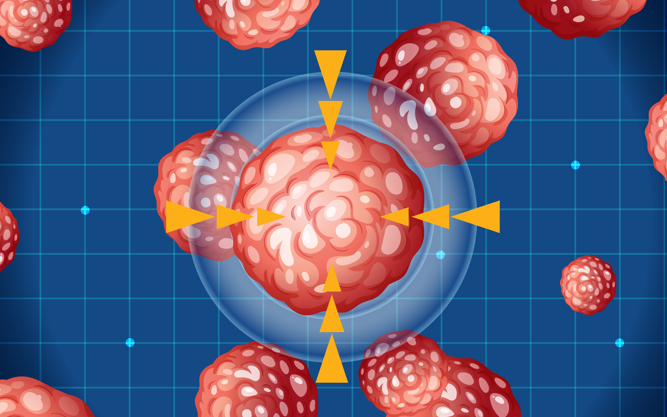
Learn how targeted therapy, a modern cancer treatment, attacks only cancer cells while sparing healthy ones. Discover benefits, types, and side effects.
Peritoneal Cancer — The Cancer That Starts Inside the Abdomen and Goes Unnoticed the Longest
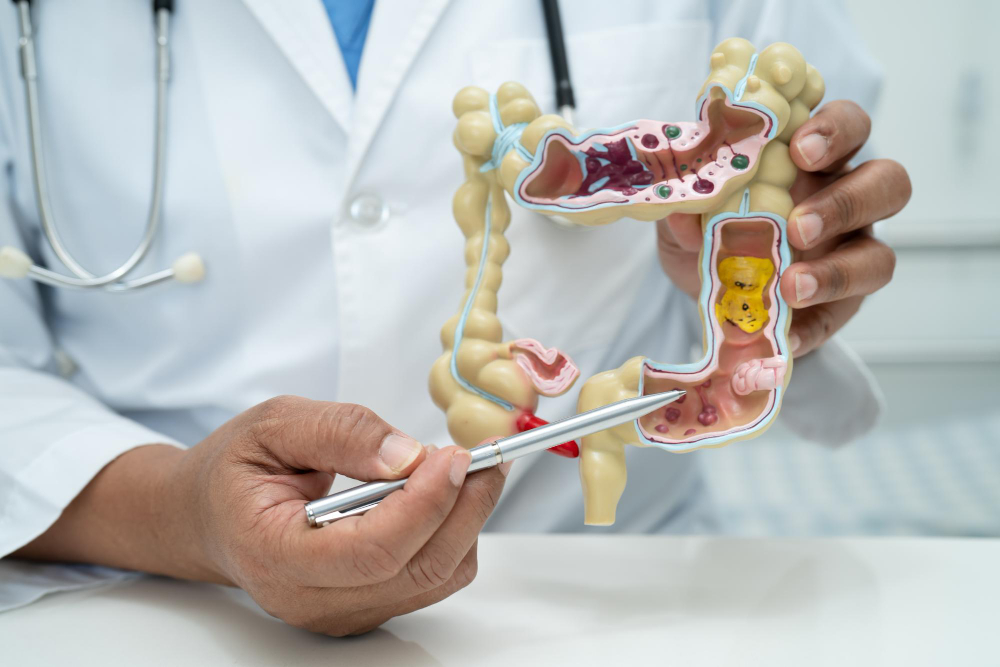
Introduction Peritoneal cancer is a rare but serious disease that begins inside the abdomen. Often, it goes unnoticed for a long time because early signs are su
Tumor Markers — The Blood Tests That Can Detect Cancer Before a Single Symptom Appears

Learn how tumor markers in blood tests help with early cancer detection, types of tumor markers, and what results mean for your health.
Vulval Cancer: Symptoms, Causes, Diagnosis, Treatment, and Prevention

What is Vulval Cancer? Vulval cancer is a rare type of cancer that starts in the vulva. The vulva is the outer part of the female genitals. Although vulval cancer is not common, it can affect women of any age. However, it is more likely in older women. Early detection is important for better treatment outcomes. For this reason, knowing the signs and risk factors can help you stay healthy. Common Symptoms of Vulval Cancer It is important to know the signs of vulval cancer. Many symptoms can seem mild at first. However, they may become more noticeable over time. If you notice any of the following, you should talk to your doctor: Itching, burning, or pain in the vulva A lump, sore, or growth on the vulva that does not heal Changes in the color or thickness of the skin on the vulva Bleeding or discharge not related to your period Swelling in the groin area Sometimes, these symptoms can be caused by other conditions. Still, it is best to get checked if you notice anything unusual. Early action can make a big difference. Causes and Risk Factors Doctors do not always know the exact cause of vulval cancer. However, several risk factors can increase your chances. Knowing these can help you understand your own risk. Common risk factors include: Age over 60 years Human papillomavirus (HPV) infection History of genital warts Long-term itching or skin conditions of the vulva Smoking tobacco Weakened immune system For example, HPV is a common virus linked to many cancers. Not everyone with these risk factors will get vulval cancer. However, being aware can help you take steps to lower your risk. How Vulval Cancer is Diagnosed Early diagnosis of vulval cancer can lead to better treatment. If your doctor suspects vulval cancer, they may do several tests. These steps help confirm the diagnosis and plan the best treatment: Physical Exam: Your doctor will check the vulva for lumps, sores, or changes. Biopsy: A small sample of tissue is taken from the affected area. This is checked under a microscope for cancer cells. Imaging Tests: Tests like ultrasound, MRI, or CT scans may be used. These help see if the cancer has spread. Because early signs can be mild, regular check-ups are important. If you have symptoms, do not wait to see your doctor. Quick action can improve your chances of recovery. Treatment Options for Vulval Cancer Treatment for vulval cancer depends on the stage and location of the cancer. Your doctor will discuss the best options for you. Common vulval cancer treatment options include: Surgery: Removing the cancerous tissue is often the first step. Radiation Therapy: High-energy rays are used to kill cancer cells. This may be used before or after surgery. Chemotherapy: Medicines are used to destroy cancer cells. This is less common but may be needed in some cases. Sometimes, a combination of treatments is used. Your care team will explain the benefits and side effects of each option. With early treatment, many women recover well. Prevention and Lifestyle Tips While you cannot prevent all cases of vulval cancer, you can lower your risk. Here are some helpful tips on how to prevent vulval cancer: Get the HPV vaccine if you are eligible Practice safe sex to reduce HPV risk Quit smoking and avoid tobacco products Keep the vulva clean and dry Have regular gynecological check-ups Report any skin changes or symptoms to your doctor Because early changes can be hard to notice, regular self-checks can help. Also, following these tips may lower your risk and support overall health. When to See a Doctor If you notice any unusual symptoms, do not ignore them. For example, itching, lumps, or sores that do not heal should be checked. Even if you feel embarrassed, remember that doctors are there to help. Early visits can lead to early diagnosis and better outcomes. If you have concerns about vulval cancer, make an appointment with your healthcare provider soon. If you notice any symptoms or have concerns, consult Dr Geetha Nagasree N for personalized advice.
HIPEC Surgery: Understanding the Procedure, Benefits, and Risks

What is HIPEC Surgery? HIPEC Surgery stands for Hyperthermic Intraperitoneal Chemotherapy. It is a special cancer treatment. Doctors use HIPEC Surgery to treat cancers in the belly area. During this procedure, heated chemotherapy is placed directly inside the abdomen. This method targets cancer cells more directly than regular chemotherapy. Because the medicine is heated, it works better at killing cancer cells. Many people call this the HIPEC procedure or heated chemotherapy surgery. When is HIPEC Surgery Recommended? Doctors may suggest HIPEC Surgery for certain cancers. Usually, it is used for cancers that have spread inside the abdomen. For example, HIPEC is often used for: Ovarian cancer Colon cancer Appendix cancer Stomach cancer Peritoneal mesothelioma However, not everyone is a candidate. Doctors look at your health, cancer type, and how far it has spread. Sometimes, HIPEC Surgery is used when other treatments have not worked. In other cases, it is part of a planned cancer treatment. How is HIPEC Surgery Performed? First, the surgeon removes as much visible cancer as possible. This step is called cytoreductive surgery. Next, the HIPEC procedure begins. The doctor fills the abdomen with a warm chemotherapy solution. Usually, the solution is heated to about 41-43°C (105-109°F). The fluid is gently moved around the belly for 60 to 90 minutes. This helps the medicine reach all areas. Afterward, the solution is drained, and the surgery is completed. Because the chemotherapy stays inside the belly, it can use higher doses with fewer side effects in the rest of the body. Benefits of HIPEC Surgery HIPEC Surgery offers several benefits for some patients. For instance, it can: Target cancer cells more directly Allow higher doses of chemotherapy in the belly Reduce side effects compared to regular chemotherapy Improve survival rates for certain cancers Help control cancer that has spread in the abdomen Additionally, some studies show that HIPEC Surgery may help people live longer. However, results can vary based on cancer type and stage. Always talk to your doctor about your specific case. Risks and Possible Side Effects Like any major surgery, HIPEC Surgery has risks. Some possible side effects include: Infection Bleeding Kidney problems Digestive issues, such as nausea or diarrhea Blood clots Delayed healing However, not everyone will have these problems. Your doctor will discuss the HIPEC surgery risks with you before the procedure. In some cases, side effects can be managed with medicine or extra care. According to the American Cancer Society, most patients recover well, but close monitoring is needed. Recovery and Aftercare After HIPEC Surgery, you will stay in the hospital for several days. During this time, doctors and nurses will watch you closely. You may need help with eating and moving at first. Because recovery can take weeks, it is important to rest and follow your care team’s advice. Some tips for recovery include: Eat small, healthy meals Drink plenty of fluids Take short walks as you feel able Follow your doctor’s instructions for wound care Attend all follow-up appointments Additionally, let your doctor know if you have fever, pain, or other new symptoms. Early care can help prevent problems. Frequently Asked Questions about HIPEC Surgery Is HIPEC Surgery painful? The surgery is done under anesthesia, so you will not feel pain during the procedure. Afterward, you may have some discomfort, but pain medicine can help. How long does HIPEC Surgery take? The whole process can last 6 to 10 hours, including both the surgery and the HIPEC procedure. Will I need more treatment after HIPEC? Sometimes, you may need more chemotherapy or other treatments. Your doctor will make a plan based on your needs. What is the success rate of HIPEC Surgery? Success depends on your cancer type, stage, and overall health. Your doctor can give you more details about your situation. Prevention and Lifestyle Tips While HIPEC Surgery treats certain cancers, prevention is always best. You can lower your risk by: Eating a healthy diet rich in fruits and vegetables Staying active with regular exercise Avoiding tobacco and limiting alcohol Getting regular health check-ups Following your doctor’s advice for cancer screenings Although these steps cannot prevent all cancers, they can help you stay healthier overall. In summary, HIPEC Surgery is a special treatment for some abdominal cancers. It uses heated chemotherapy to target cancer cells directly. While there are benefits, there are also risks. Therefore, consult an oncology specialist Dr Geetha Nagasree N to learn if HIPEC Surgery is right for you.
Spotting Ovarian Cancer Early: Essential Tests Every Woman Should Know

Introduction Spotting ovarian cancer early can save lives. Many women do not notice symptoms until the disease is advanced. However, early detection gives you the best chance for successful treatment. That is why knowing the essential tests for ovarian cancer is so important. In this blog, you will learn about the key tests, common symptoms, and when to see a doctor. Early action can make a big difference. What Is Ovarian Cancer? Ovarian cancer starts in the ovaries, which are small organs in a woman’s lower belly. These organs make eggs and female hormones. Sometimes, cells in the ovaries grow out of control and form a tumor. If not found early, ovarian cancer can spread to other parts of the body. According to the World Health Organization (WHO), ovarian cancer is one of the most common cancers in women worldwide. Why Early Detection Matters Early detection of ovarian cancer greatly improves the chances of recovery. When found early, treatment is often more effective. Sadly, most cases are found at a late stage. This is because symptoms can be mild or mistaken for other problems. Therefore, regular screening and knowing the warning signs are very important. Early action can help save lives. Common Symptoms to Watch For Ovarian cancer symptoms can be hard to notice. But, some signs may suggest a problem. Watch for these symptoms: Bloating or swelling in the belly Pain in the lower stomach or pelvis Feeling full quickly when eating Needing to urinate often or urgently Unexplained weight loss Changes in bowel habits, like constipation If these symptoms last for more than two weeks, you should talk to your doctor. Even though these signs can be caused by other conditions, it is better to be safe. Essential Tests for Spotting Ovarian Cancer Early Several tests can help in spotting ovarian cancer early. Your doctor may suggest one or more of these based on your symptoms and risk factors. Transvaginal Ultrasound (TVUS) Transvaginal ultrasound is a test that uses sound waves to create pictures of the ovaries. A small device is placed inside the vagina. This test helps doctors see the size, shape, and structure of the ovaries. If there are any growths or cysts, TVUS can help find them early. While it cannot confirm cancer, it is a useful first step. CA-125 Blood Test The CA-125 blood test measures the level of a protein called CA-125 in your blood. High levels can be a sign of ovarian cancer. However, other conditions can also raise CA-125. For this reason, doctors use this test along with other exams. It is especially helpful for women at high risk or those with symptoms. Pelvic Exam During a pelvic exam, your doctor checks your ovaries and other organs in the pelvis. They feel for lumps or changes in size and shape. Although this exam may not find small tumors, it is still important for women’s health. Regular pelvic exams can help spot changes early. Other Relevant Diagnostic Tests Sometimes, doctors may order more tests to get a clearer picture. These can include: CT scans or MRI scans to see detailed images of the ovaries Biopsy, where a small tissue sample is taken for testing Genetic testing for women with a family history of ovarian or breast cancer Each test gives more information to help your doctor make the best plan for you. Who Should Get Tested? Not every woman needs regular screening for ovarian cancer. However, you should consider testing if you: Have a family history of ovarian or breast cancer Are over age 50 Have certain genetic changes, like BRCA1 or BRCA2 Notice ongoing symptoms like bloating or pain If you are unsure, talk to your doctor about your risk. They can help decide if screening is right for you. How to Prepare for Ovarian Cancer Screening Getting ready for ovarian cancer tests is simple. Still, a few steps can help: Write down your symptoms and when they started List any family history of cancer Bring a list of your medicines Ask your doctor what to expect during the tests Being prepared helps you get the most from your visit. It also makes it easier to answer your doctor’s questions. Prevention and Lifestyle Tips While you cannot prevent all cases of ovarian cancer, some steps may lower your risk. For example: Eat a healthy diet with fruits and vegetables Exercise regularly Maintain a healthy weight Avoid smoking Discuss birth control options with your doctor Additionally, knowing your family history and getting regular check-ups can help you stay ahead. When to Consult a Doctor If you notice symptoms that last more than two weeks, do not wait. Even if you think it is nothing serious, it is best to check. Early action can lead to better results. Moreover, if you have a family history of ovarian or breast cancer, talk to your doctor about screening options. Your health is important, so do not ignore warning signs. Take charge of your health today. If you have concerns or symptoms, consult Dr Geetha Nagasree N for personalized advice and screening. Early detection can save lives.
Understanding Fallopian Tube Cancer: Symptoms, Causes, Diagnosis, and Treatment
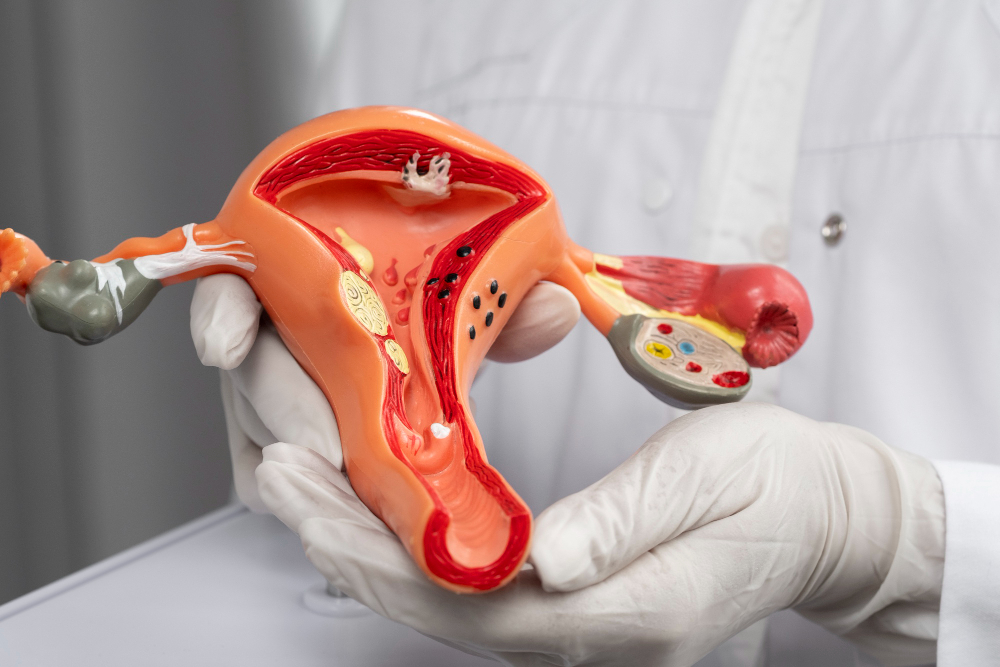
Introduction Fallopian tube cancer is a rare type of cancer. It starts in the tubes that connect the ovaries to the uterus. Although it is uncommon, it is important to know about this disease. Early detection can help improve outcomes. Many people do not know the signs or risks. Therefore, learning about fallopian tube cancer can help you stay informed and safe. Symptoms of Fallopian Tube Cancer Often, symptoms are mild at first. However, they can become more noticeable over time. Knowing the signs can help you seek help sooner. Common fallopian tube cancer symptoms include: Abnormal vaginal bleeding, especially after menopause Pelvic or lower belly pain A feeling of pressure or fullness in the pelvis Unusual vaginal discharge A lump or swelling in the lower belly Sometimes, these symptoms can be caused by other conditions. Even so, it is wise to talk to your doctor if you notice any changes. Causes and Risk Factors Doctors do not know the exact cause of fallopian tube cancer. However, some factors may increase your risk. For example, age plays a role. Most cases occur in women over 50. Other risk factors include: Family history of ovarian, breast, or fallopian tube cancer Inherited gene changes, such as BRCA1 or BRCA2 mutations Never having been pregnant Early start of periods or late menopause On the other hand, using birth control pills may lower the risk. Still, it is important to discuss your personal risk with your doctor. How Is Fallopian Tube Cancer Diagnosed? Diagnosing fallopian tube cancer can be challenging. Symptoms often look like those of other conditions. Even so, doctors use several methods to find the cause. Common diagnosis methods include: Pelvic exam to check for lumps or swelling Ultrasound to view the fallopian tubes and ovaries CT or MRI scans for detailed images Blood tests, such as CA-125, to look for cancer markers Biopsy, where a small tissue sample is checked under a microscope If you have symptoms, your doctor may use more than one test. Early diagnosis can help improve treatment results. Treatment for Fallopian Tube Cancer Treatment for fallopian tube cancer depends on the stage and your overall health. Usually, doctors use a combination of treatments. The main options are: Surgery to remove the cancer and nearby tissue Chemotherapy to kill cancer cells with medicine Radiation therapy, though it is less common Sometimes, targeted therapy or clinical trials may be available. Your doctor will explain the best plan for you. In many cases, a team of specialists will help guide your care. Prevention and Lifestyle Guidance There is no sure way to prevent fallopian tube cancer. However, you can lower your risk with healthy habits. For instance, you can: Know your family history and share it with your doctor Consider genetic counseling if you have a strong family history Maintain a healthy weight and eat a balanced diet Stay active with regular exercise Attend regular check-ups, especially after menopause Although these steps cannot guarantee prevention, they support your overall health. Early action can make a difference. When to See a Doctor If you notice unusual bleeding, pain, or discharge, do not wait. Even if symptoms seem mild, it is better to check with your doctor. Early evaluation can help rule out serious problems. In addition, if you have a family history of related cancers, ask about screening options. Your doctor can guide you on the next steps. Conclusion Fallopian tube cancer is rare but serious. Knowing the symptoms, causes, and treatment options can help you stay informed. If you have concerns or notice changes in your health, do not delay. Consult a specialist Dr Geetha Nagasree N for personalized guidance.
Chemotherapy for Cancer: What to Expect and Manage Side Effects
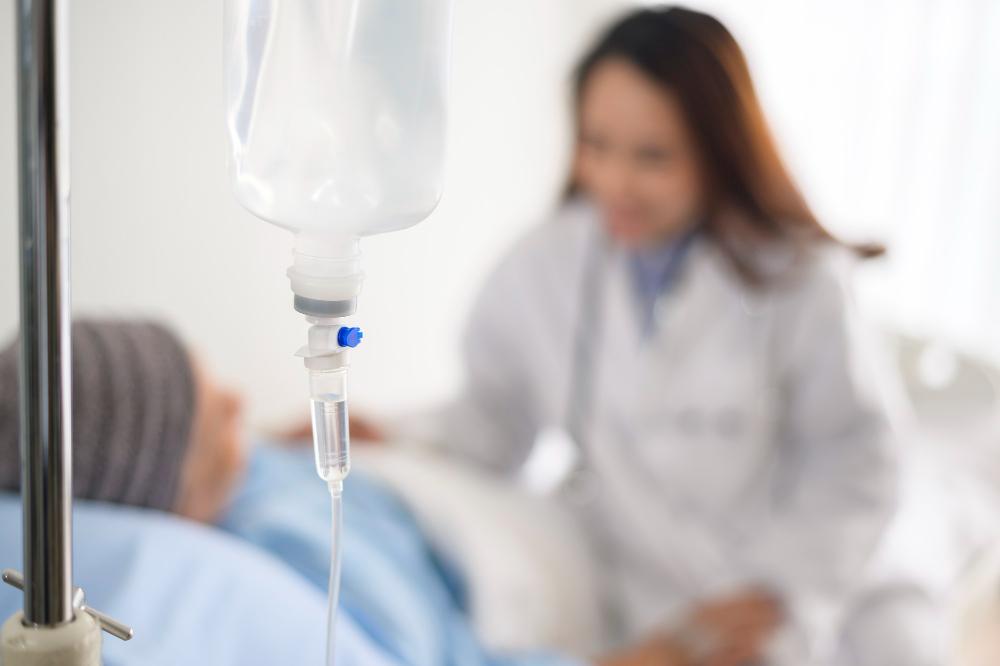
Introduction Chemotherapy for cancer is a common treatment that uses strong medicines to kill cancer cells. Many people with cancer receive chemotherapy as part of their care. Often, it is used alone or with other cancer treatment options. Because chemotherapy can affect healthy cells too, it is important to know what to expect. Understanding the process helps patients and families feel more prepared and supported. What is Chemotherapy for Cancer? Chemotherapy, often called “chemo,” is a way to treat cancer using drugs. These drugs travel through the body and target fast-growing cancer cells. Sometimes, chemotherapy is used before surgery to shrink tumors. Other times, it is given after surgery to kill any remaining cancer cells. In some cases, doctors use it to slow cancer growth or ease symptoms. According to the World Health Organization (WHO), chemotherapy is a key part of many cancer treatment plans. How Does Chemotherapy Work? Chemotherapy works by stopping cancer cells from growing and dividing. Since cancer cells grow quickly, chemo drugs can attack them more easily. However, some healthy cells also grow fast, like those in your hair and stomach. Because of this, chemotherapy can affect these cells too. As a result, side effects may happen. Still, doctors carefully plan each treatment to get the best results while keeping side effects as low as possible. Common Types of Chemotherapy Drugs There are many types of chemotherapy drugs. Each type works in a different way. Doctors choose the best drug based on the type of cancer and the patient’s health. Some common types include: Alkylating agents (for example, cyclophosphamide) Antimetabolites (such as methotrexate) Anti-tumor antibiotics (like doxorubicin) Plant alkaloids (for example, vincristine) Topoisomerase inhibitors (such as etoposide) Each drug has its own benefits and possible side effects. Your doctor will explain which drug is right for you. What to Expect During Chemotherapy Before starting chemotherapy, your doctor will explain the plan. Usually, chemo is given in cycles. This means you get treatment for a few days, then rest for a few weeks. Chemotherapy can be given in different ways: Through a vein (IV infusion) As pills or capsules By injection On the skin (for some cancers) During treatment, you may spend time at a hospital, clinic, or chemotherapy center. Some people can get chemo at home. While receiving chemo, nurses will watch you closely. They check for side effects and answer your questions. After each session, you may feel tired or have other symptoms. But, many people can return home the same day. Common Side Effects and How to Manage Them Because chemotherapy targets fast-growing cells, it can cause side effects. Not everyone has the same side effects. Some common chemotherapy side effects include: Tiredness or fatigue Nausea and vomiting Hair loss Loss of appetite Increased risk of infection Mouth sores Easy bruising or bleeding However, many side effects can be managed. Here are some ways to help: Eat small, healthy meals throughout the day Drink plenty of fluids Rest when you feel tired Use gentle hair care products Tell your doctor about any new symptoms Doctors may also give medicines to help with nausea or other symptoms. According to the CDC, most side effects go away after treatment ends. Tips for Coping with Chemotherapy Going through chemotherapy can be hard. Still, there are ways to make it easier. Consider these tips for coping with chemotherapy: Stay connected with friends and family Ask for help with daily tasks Join a support group for cancer patients Keep a journal to track your feelings and symptoms Practice relaxation techniques, like deep breathing Talk to your care team about any worries Remember, you are not alone. Many people find comfort in talking with others who understand. When to Contact Your Doctor Sometimes, side effects can be serious. Therefore, you should contact your doctor right away if you have: High fever or chills Severe nausea or vomiting Shortness of breath Unusual bleeding or bruising Signs of infection, like redness or swelling Early treatment can prevent problems from getting worse. Always keep your doctor’s contact information handy. Support Resources for Patients and Families Support during chemotherapy is important for both patients and families. Many resources can help you cope. For example, you can find: Cancer support groups (in-person or online) Counseling services Nutrition advice from dietitians Financial help programs Information from trusted sources like the American Cancer Society, WHO, and CDC Some chemotherapy centers in your area may also offer special programs. Ask your care team about local resources and support options. Conclusion Chemotherapy for cancer is a powerful treatment that can help many people. While it can cause side effects, there are ways to manage them. Support from loved ones and healthcare teams makes a big difference. For the best care, consult Dr Geetha Nagasree N for personalized advice and support.
Breast Cancer Screening: What You Need to Know

What Is Breast Cancer Screening? Screening for breast cancer means checking for signs of cancer before symptoms appear. Early detection of breast cancer can save lives. Usually, doctors use special tests to find changes in breast tissue. These tests help spot cancer early, when it is easier to treat. Why Is Screening for Breast Cancer Important? Early detection is key. When breast cancer is found early, treatment often works better. As a result, survival rates improve. Screening can also find changes before they become cancer. This gives you more options for care. According to the CDC, regular screening lowers the risk of dying from breast cancer. Who Should Get Screened and When? Guidelines can vary, but most experts recommend: Women aged 40 to 44: Talk to your doctor about starting screening. Women aged 45 to 54: Get a mammogram every year. Women 55 and older: Switch to every two years, or keep yearly screening. However, if you have a family history of breast cancer, you may need to start earlier. Always ask your healthcare provider about the best plan for you. For those looking for a “mammogram near me,” many screening centers in your area can help. Common Screening Methods Doctors use several ways to check for breast cancer. The most common methods include: Mammogram: This is an X-ray of the breast. It can find lumps or changes before you feel them. Clinical Breast Exam: A doctor or nurse checks your breasts for lumps or changes. Breast Self-Exam: You check your own breasts for changes. While not a replacement for other tests, it helps you know what is normal for you. Sometimes, doctors may use ultrasound or MRI if you have a higher risk. How to Prepare for a Screening Getting ready for a breast cancer screening is simple. Still, a few steps can help: Wear a two-piece outfit for easy undressing. Avoid using deodorant, lotion, or powder on your chest or underarms on the day of the test. These can show up on the X-ray. Bring any past mammogram images if you are visiting a new center. Tell your doctor if you are pregnant or breastfeeding. Above all, relax and ask questions if you are unsure about anything. What to Expect During and After Screening During a mammogram, a technician will help you place your breast on a flat surface. Then, a plate presses your breast gently to get a clear image. This may feel uncomfortable, but it lasts only a few seconds. The whole test usually takes about 20 minutes. After the screening, you can return to your normal activities. In most cases, results come within a few days. If doctors find anything unusual, they may ask for more tests. However, most findings are not cancer. Benefits and Limitations of Screening Screening for breast cancer has many benefits: Finds cancer early, when it is easier to treat Reduces the risk of dying from breast cancer Gives peace of mind if results are normal However, there are some limits: Sometimes, tests find things that are not cancer (false positives) Rarely, cancer may be missed (false negatives) Some people may need extra tests, which can cause worry Even so, the benefits often outweigh the risks. Always talk to your doctor about what is right for you. Prevention Tips and Healthy Lifestyle Guidance While screening is important, healthy habits also lower your risk. For example: Maintain a healthy weight Stay active with regular exercise Eat a balanced diet rich in fruits and vegetables Limit alcohol Do not smoke Breastfeed if possible Additionally, know your family history and share it with your doctor. This helps guide your screening plan. Frequently Asked Questions (FAQs) About Breast Cancer Screening How often should you get a breast cancer screening? Most women should get a mammogram every one to two years after age 40. Your doctor may suggest a different schedule based on your risk. Is a mammogram painful? Some women feel discomfort, but it is brief. Let the technician know if you feel pain. Can men get breast cancer? Yes, but it is rare. Men with a family history should talk to their doctor. Where can I find a mammogram near me? Many hospitals and clinics offer screening. Search for “screening centers in [your city]” or ask your doctor for help. Are there risks to screening? Risks are low, but false positives or extra tests can happen. Still, early detection saves lives. Conclusion In summary, breast cancer screening is crucial for early detection and improved outcomes. Since every individual is different, consult Dr Geetha Nagasree N for a personalized screening plan and ensure timely preventive care. Sources: Centers for Disease Control and Prevention (CDC), World Health Organization (WHO)