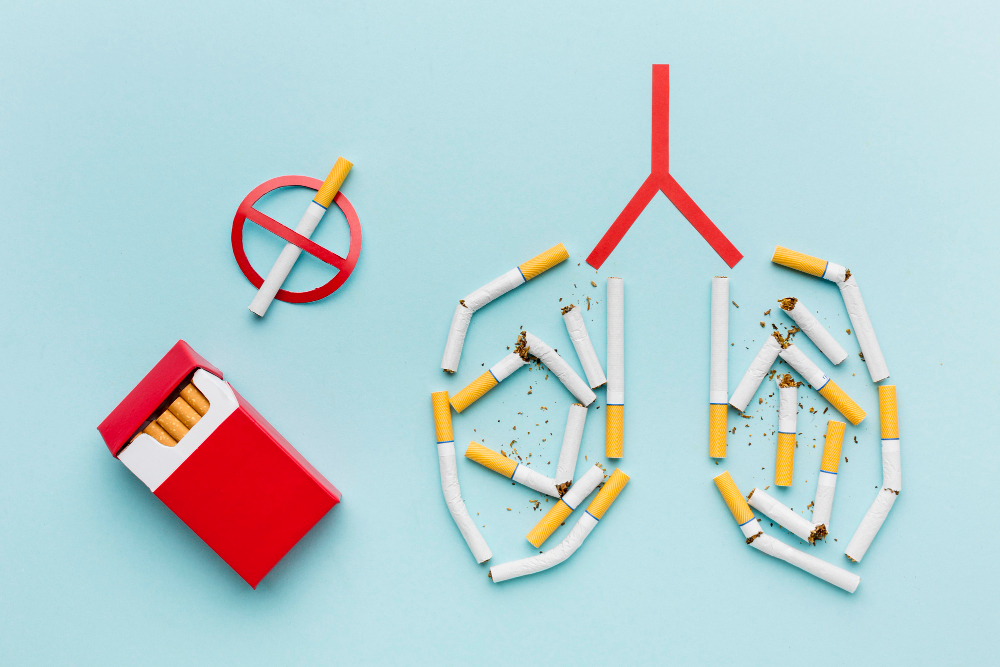
Lung safety is important for everyone, not just smokers. Many people think only smokers face lung problems. However, non-smokers can also be at risk. In fact, lung health for non-smokers is a growing concern. Even if you have never smoked, you may face lung disease risks without smoking. Therefore, it is wise to learn about protecting lungs from pollution and other dangers. This blog will help you understand non-smoker risks and how to keep your lungs safe.
Common Causes of Lung Risks in Non-Smokers
Non-smokers can face lung risks from many sources. Some dangers are found in the air we breathe every day. For example, you may not notice them right away. But over time, they can harm your lungs. Here are some common causes:
- Air Pollution: Tiny particles and gases from cars, factories, and fires can damage lung tissue.
- Secondhand Smoke: Breathing smoke from other people’s cigarettes or cigars can be harmful.
- Radon Gas: This natural gas can build up in homes and increase lung cancer risk.
- Occupational Hazards: Dust, chemicals, and fumes at work can affect lung health, especially in certain jobs.
Symptoms to Watch For
Early signs of lung issues can be easy to miss. Still, catching them early helps. Watch for these symptoms:
- Persistent cough that does not go away
- Shortness of breath, even with mild activity
- Chest pain or tightness
- Wheezing or noisy breathing
- Frequent lung infections, like bronchitis or pneumonia
- Unexplained tiredness or weight loss
Diagnosis and Screening
If you notice symptoms, doctors can help find the cause. First, they may ask about your home, work, and habits. Next, they may use tests to check your lungs. Common screening tests include:
- Chest X-ray: Shows images of your lungs to spot problems.
- Spirometry: Measures how well you breathe in and out.
- CT Scan: Gives a detailed look at lung tissue.
- Blood Tests: Checks for infections or other issues.
Sometimes, doctors suggest regular screening for people at higher risk, such as those exposed to pollution or chemicals at work.
Prevention and Lifestyle Tips
Although you cannot control every risk, you can take steps to protect your lungs. Here are some tips:
- Stay indoors on days with high air pollution.
- Use air purifiers to improve indoor air quality.
- Keep your home smoke-free.
- Test your home for radon gas.
- Wear masks or protective gear if you work with dust or chemicals.
- See your doctor for regular check-ups, especially if you have symptoms.
- Practice deep breathing exercises to keep your lungs strong.
Treatment Options
If lung issues are found, treatment depends on the cause. For example, doctors may suggest:
- Medicines to open airways or reduce swelling
- Antibiotics for infections
- Oxygen therapy for severe breathing problems
- Lifestyle changes, such as avoiding triggers
- In rare cases, surgery may be needed
Early treatment often leads to better results. Therefore, do not wait if you notice symptoms.
When to See a Doctor
Some signs mean you should see a doctor right away. For instance, seek help if you have:
- Sudden shortness of breath
- Chest pain that does not go away
- Coughing up blood
- Severe wheezing or trouble breathing
Even mild symptoms should be checked if they last more than a few weeks.
Conclusion
In summary, lung safety matters for everyone, even non-smokers. Many factors, like pollution and secondhand smoke, can put your lungs at risk. By knowing the symptoms, getting regular check-ups, and following prevention tips, you can help protect your lungs. Consult a healthcare specialist like Dr. Geetha Nagasree N for personalized lung safety advice.