Introduction
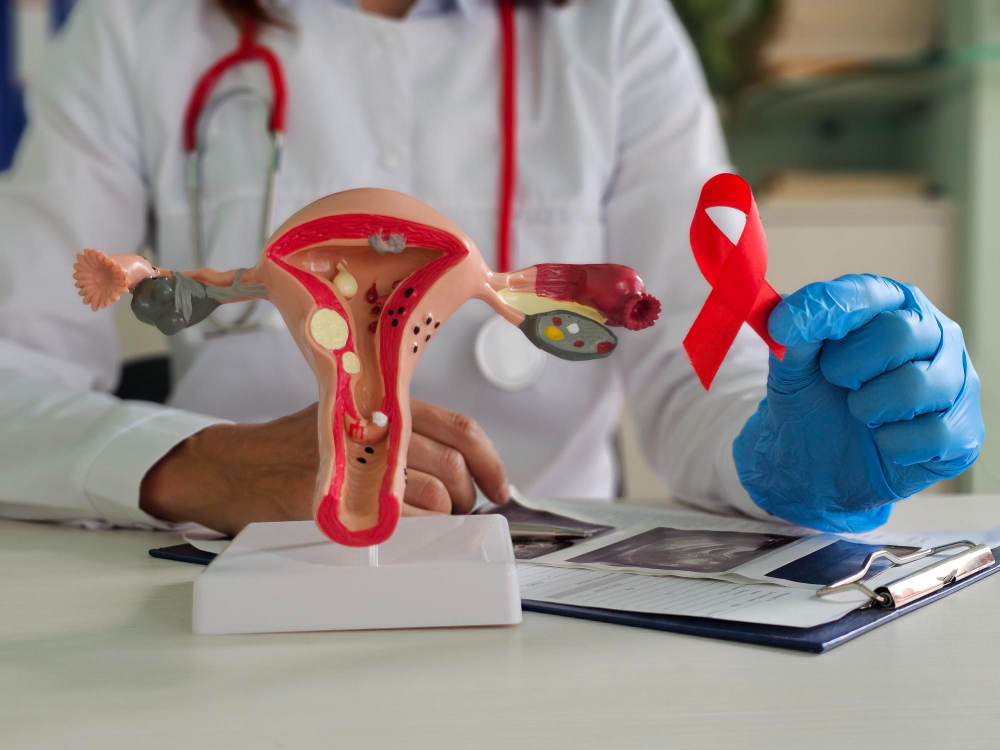
Uterine cancer is a serious health concern for many women. In fact, it is one of the most common cancers affecting the female reproductive system. Understanding the most common causes of uterine cancer can help you lower your risk. Early awareness and healthy choices can make a big difference. According to the Centers for Disease Control and Prevention (CDC), thousands of women are diagnosed with uterine cancer each year in the United States. This blog will explain what uterine cancer is, its main causes, and how you can protect yourself.
What is Uterine Cancer?
Uterine cancer starts in the uterus, which is the organ where a baby grows during pregnancy. Most cases begin in the lining of the uterus, called the endometrium. This type is known as endometrial cancer. Less often, cancer can start in the muscle layer of the uterus. Uterine cancer can affect women of any age, but it is more common after menopause. Early detection is important for better outcomes.
Most Common Causes of Uterine Cancer
Several risk factors can increase your chances of developing uterine cancer. While not all causes can be controlled, knowing them can help you make informed choices. Here are the most common causes of uterine cancer:
Hormonal Imbalances: Too much estrogen without enough progesterone can raise your risk. This often happens during menopause or with certain health conditions.
Obesity: Being overweight increases estrogen levels in the body. As a result, obese women have a higher risk of uterine cancer.
Age: The risk goes up as you get older. Most cases occur in women over 50.
Genetics: Family history matters. If your mother or sister had uterine or colon cancer, your risk may be higher.
Lifestyle Factors: Lack of exercise, unhealthy eating, and certain medicines can also play a role.
Additionally, some women with diabetes or those who have never been pregnant may face a higher risk. However, having one or more risk factors does not mean you will get uterine cancer. It just means your chances are higher than average.
Symptoms to Watch For
Early signs of uterine cancer can be easy to miss. Still, paying attention to your body is important. Watch for these symptoms:
Unusual vaginal bleeding, especially after menopause
Pelvic pain or pressure
Pain during sex
Unexplained weight loss
Watery or bloody vaginal discharge
If you notice any of these signs, see your doctor right away. Early action can save lives.
Diagnosis Overview
Doctors use several methods to diagnose uterine cancer. First, they may ask about your symptoms and medical history. Then, they might perform a pelvic exam. Often, an ultrasound helps check the uterus for changes. If needed, a biopsy is done to test a small tissue sample. In some cases, more tests like MRI or CT scans are used. Early diagnosis leads to better treatment options.
Prevention Tips
While you cannot change some risk factors, you can take steps to lower your risk. Here are some helpful tips on how to prevent uterine cancer:
Maintain a healthy weight through diet and exercise
Manage health conditions like diabetes
Talk to your doctor about hormone therapy risks
Stay active and avoid a sedentary lifestyle
Get regular check-ups, especially after menopause
Moreover, making healthy choices every day can help protect your body. Even small changes can have a big impact over time.
When to See a Doctor
If you notice any unusual bleeding or other symptoms, do not wait. Schedule a visit with your healthcare provider as soon as possible. Early detection is key to successful treatment. Even if you feel healthy, regular check-ups are important, especially if you have risk factors. Your doctor can guide you on the best steps for your health.
In summary, understanding the most common causes of uterine cancer helps with early prevention and care. For personalized guidance and recommendations, consult Dr Geetha Nagasree N today.