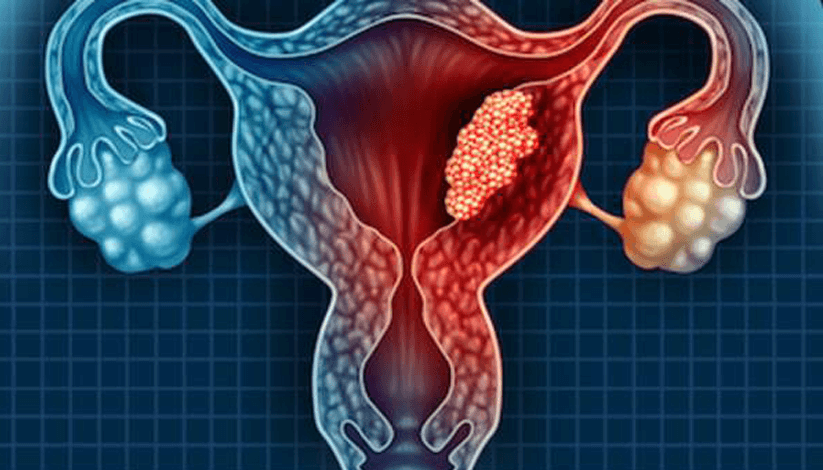
Uterus is a hollow, pear-shaped organ in which fetal development occurs
The uterus is a hollow, pear-shaped organ in which fetal development occurs. A layer of cells forms the lining (endometrium) of the uterus or womb. Cancerous cells grow in the endometrium and cause endometrial cancer. Thus, endometrial cancer begins in the uterus. Endometrial cancer is also known as Uterine Cancer.
Causes of Uterine Cancer
Endometrial cancer risk factors: The exact cause of endometrial cancer is unknown. However, the risk increases with advancing age, strong family history, and genetic mutations. Alterations in the gene sequence within the endometrial cells lining the uterus can cause uterine cancer. Genetic mutations turn healthy and normal cells into abnormal cells, which grow and multiply at an abnormal rate. The abnormal cells accumulate and form a mass (tumour). Cancerous cells spread aggressively by invading nearby healthy tissues and then spreading to other organs of the body (metastasize).
Signs and Symptoms of Uterine Cancer
What are Endometrial cancer Risk factors?
Hormonal imbalances – especially the changes in the levels of two main female hormones: estrogen and progesterone – produced by the ovaries can cause changes in the endometrium. A health condition that augments the levels of estrogen hormone, but not progesterone can raise the risk. Such conditions include diabetes, obesity, and polycystic ovarian syndrome. Post-menopausal hormonal therapy involving estrogen hormones can also increase cancer risk. A type of ovarian cancer that increases the levels of estrogen hormone can increase the risk of uterine cancer.
Hormone therapy for breast cancer increases the risk of getting endometrial cancer. However, the drug tamoxifen prescribed for the treatment of breast cancer outweighs the small risk of uterine cancer. Therefore, those who are taking tamoxifen should discuss the risk with their doctor.
Endometrial Cancer Risk Factors – Age
The risk of endometrial cancer increases with age – older women who have undergone menopause are at increased risk.
The risk of endometrial cancer increases in women who started menstruation at an early age and undergone menopause at a later age.
Women who have never been pregnant are at risk of developing endometrial cancer.
How to Reduce the Risk of Endometrial Cancer?
Physical activity and regular exercise may reduce the risk of endometrial cancer. Women age over 40 years should seriously consider a daily exercise routine. Just 30 minutes of exercise in most days of the week is enough to reduce the risk. Healthy body weight is a key to physical and mental wellbeing as obesity increases the risk of breast, cervical, ovarian, and endometrial cancers. Regular physical activity, a healthy diet, and a reduction in the daily intake of calories can help manage weight. Hormone replacement therapy (HRT) can increase the risk of endometrial cancer in women who undergo it after menopause. Women who are seriously considering hormone replacement therapy for their menopausal symptoms should talk to their doctor about the pros and cons of HRT. Hormone replacement therapy may also increase the risk of breast cancer.
Bottom line
The first thing any woman can do is this: If you experience any of the above-mentioned signs and symptoms of endometrial cancer including pelvic pain, pressure in the lower abdomen or pelvis; unusual vaginal discharge; blood in urine, and pain during intercourse, then make an appointment with your doctor. Endometrial cancer is often detected at an early stage because many women after noticing unusual vaginal bleeding tend to see their doctors. If endometrial cancer is discovered early, removing the uterus surgically often cures endometrial cancer.