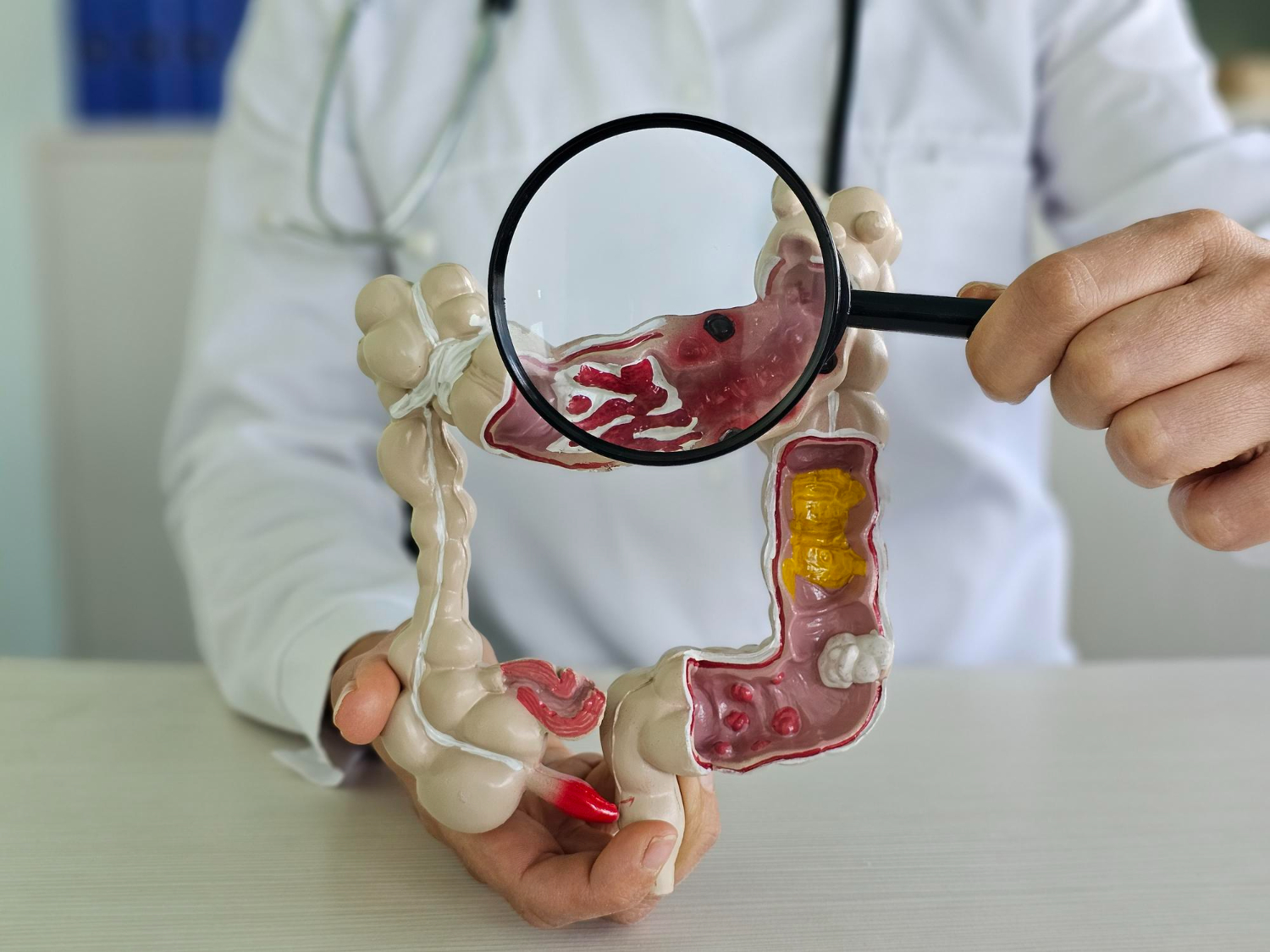
What Is Stomach Cancer?
Stomach cancer, also called gastric cancer, starts in the lining of the stomach. This disease happens when cells in the stomach grow out of control. Although stomach cancer is less common in the United States, it is more common in some parts of Asia and South America, according to the World Health Organization (WHO). Because it often grows slowly, many people do not notice symptoms until the cancer is advanced. However, learning about stomach cancer can help you spot early signs and seek care sooner.
Early Warning Signs of Stomach Cancer
Often, early signs of stomach cancer are mild or easy to miss. Still, paying attention to changes in your body is important. Early detection can improve treatment outcomes. Watch for these possible warning signs:
Because these symptoms can also be caused by other conditions, it is important to talk to your doctor if they last more than a few weeks. Early signs of stomach cancer can be subtle, so regular check-ups matter.
Major Risk Factors for Stomach Cancer
Several factors can increase your risk of stomach cancer. Knowing these can help you make healthy choices. Some of the main stomach cancer risk factors include:
While you cannot change some risk factors, like age or family history, you can lower others by making healthy lifestyle choices. For example, quitting smoking and eating more fresh foods can help reduce your risk.
How Stomach Cancer Is Diagnosed
Doctors use several tests to find out if you have stomach cancer. First, your doctor will ask about your symptoms and health history. Next, they may do a physical exam. If stomach cancer is suspected, your doctor may order tests such as:
Because early signs of stomach cancer can be mild, these tests help doctors find the cause of your symptoms. Early diagnosis can lead to better treatment results.
Treatment Options for Stomach Cancer
Stomach cancer treatment options depend on the stage and type of cancer. Your doctor will discuss the best plan for you. Common treatments include:
Sometimes, doctors use more than one treatment. For example, you might have chemotherapy before or after surgery. New stomach cancer treatment options are being studied, so ask your doctor about the latest advances.
Lifestyle Tips and Prevention
While not all cases can be prevented, you can lower your risk of stomach cancer by making healthy choices. Try these tips:
Because early signs of stomach cancer can be hard to notice, prevention and regular health checks are important. Following these tips can help protect your stomach and overall health.