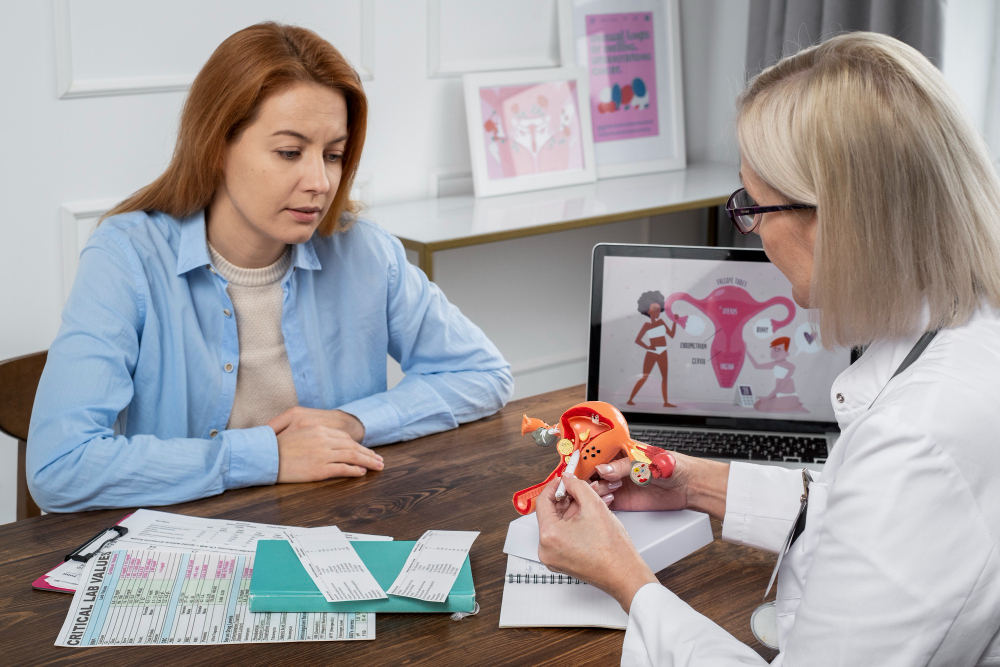
Uterine sarcoma is a rare type of cancer that starts in the muscle or tissue of the uterus. Many people may not know the signs of uterine sarcoma, so it is important to learn about its symptoms and how doctors make a uterine sarcoma diagnosis. Often, people wonder about the difference between uterine sarcoma and fibroids. While both can cause growths in the uterus, they are very different. Understanding these differences can help you know when to seek care. In some cities, hospitals offer special tests for diagnosing uterine growths. Let’s look at what makes uterine sarcoma unique.
What Is Uterine Sarcoma?
First, uterine sarcoma is a cancer that forms in the uterus. The uterus is the organ where a baby grows during pregnancy. Unlike benign fibroids, which are non-cancerous, uterine sarcoma is a type of uterine cancer. According to the World Health Organization, this cancer is rare. Yet, it can grow quickly and spread to other parts of the body. For this reason, early detection is important. Uterine sarcoma starts in the muscle layer or the supporting tissues of the uterus. On the other hand, most other uterine tumors, like fibroids, are not cancerous.
Common Symptoms of Uterine Sarcoma
Many symptoms of uterine sarcoma can seem like other health problems. Still, knowing what to watch for can help. For example, some people may notice changes in their periods. Others may feel pain or pressure in the lower belly. Here are some common uterine sarcoma symptoms:
However, these symptoms can also happen with benign fibroids or other uterine growths. If you notice any of these signs, it is wise to talk to your doctor. Early care can make a big difference.
How Uterine Sarcoma Is Diagnosed
Doctors use several steps to make a uterine sarcoma diagnosis. First, they will ask about your symptoms and health history. Next, they may do a physical exam. Often, doctors use imaging tests to look for uterine tumor symptoms. For example, an ultrasound can show growths inside the uterus. Sometimes, a doctor may order an MRI for a clearer picture. If a growth is found, a biopsy may be needed. In this test, a small piece of tissue is taken from the uterus. Then, a lab checks if the cells are cancerous. According to the CDC, only a biopsy can confirm uterine cancer. Because early diagnosis is key, do not delay if you have symptoms.
Uterine Sarcoma vs. Fibroids: Key Differences
Many people ask about the difference between uterine sarcoma and fibroids. While both can cause growths, they are not the same. For instance, fibroids are benign. This means they are not cancer. Uterine sarcoma, however, is a cancer that can spread. Here are some key differences:
Because the symptoms can be similar, it is important to see a doctor for proper testing. With the right diagnosis, you can get the care you need.