What is Cervical Cancer?
Cervical cancer starts in the cells of the cervix. The cervix is the lower part of the uterus that connects to the vagina. Most cases are caused by a virus called human papillomavirus (HPV). However, not all women with HPV will get cervical cancer. Early detection is key to preventing serious health problems. Regular cervical cancer screening helps find changes before they become cancer.
What is a Pap Smear?
A Pap smear is a simple test. It checks for changes in the cells of the cervix. During the test, a healthcare provider gently collects a small sample of cells. This sample is then sent to a lab for examination. The Pap smear is a key part of women’s health and preventive care. It helps find problems early, even before symptoms appear.
Why Are Pap Smears Important for Cervical Cancer Prevention?
Regular Pap smears can save lives. They help detect abnormal cells early. If these cells are found and treated, cervical cancer can often be prevented. In fact, many women who develop cervical cancer have not had regular screening. Therefore, Pap smears are a vital tool for early detection and prevention. They are recommended by health experts worldwide, including the CDC and WHO.
Symptoms and Early Warning Signs of Cervical Cancer
Often, cervical cancer does not cause symptoms in its early stages. However, as the disease grows, some signs may appear. For example, you may notice:
- Unusual vaginal bleeding, especially after sex
- Pain during sex
- Unusual vaginal discharge
- Pain in the lower belly or pelvis
But, these symptoms can also be caused by other health problems. So, it is important to see a doctor if you notice any changes.
How Pap Smears Help in Early Detection
Pap smears can find changes in cervical cells before they turn into cancer. When caught early, these changes are easier to treat. As a result, the risk of developing cervical cancer drops. Early detection means better treatment options and higher chances of recovery. This is why regular cervical cancer screening is so important for women’s health.
Who Should Get a Pap Smear and How Often?
Most women should start getting Pap smears at age 21. After that, the test is usually done every three years. However, some women may need more frequent screening. For example, women with certain health conditions or a history of abnormal results may need extra care. After age 30, some women may combine the Pap smear with an HPV test. Always ask your healthcare provider what schedule is best for you. If you live in a city or region with Pap smear clinics, check for local screening programs.
What to Expect During a Pap Smear
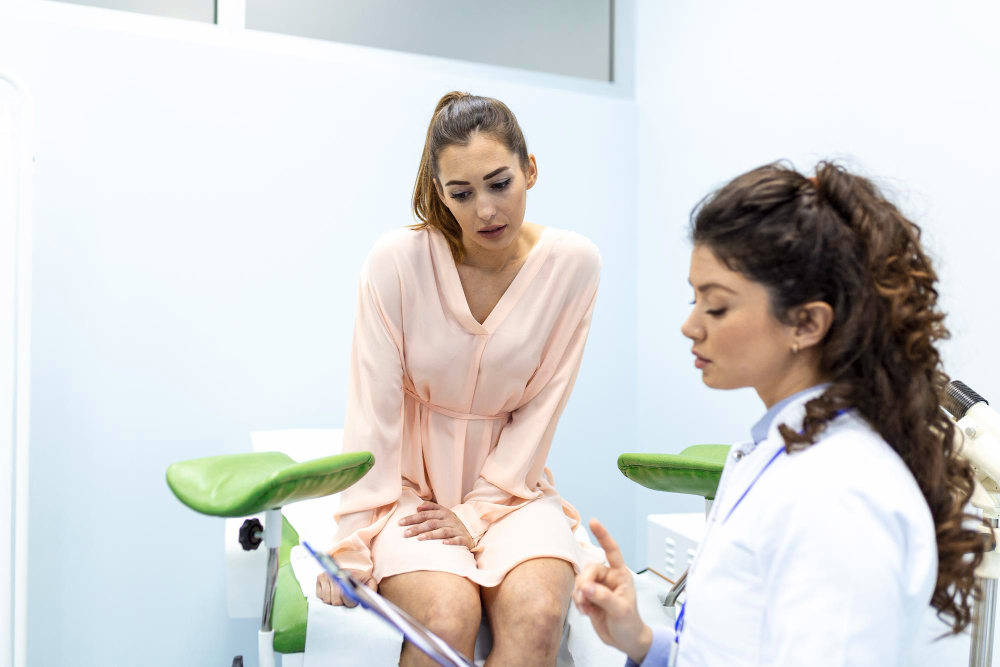
Many women feel nervous before their first Pap smear. But, the test is quick and usually not painful. Here is what you can expect:
- You will lie on an exam table
- A healthcare provider will gently insert a small tool to see the cervix
- They will use a soft brush or spatula to collect cells
- The whole process takes only a few minutes
After the test, you can go back to your normal activities. Results are usually ready in a few days.
Tips for Cervical Health and Prevention
There are steps you can take to lower your risk of cervical cancer. For example:
- Get regular Pap smears as recommended
- Consider the HPV vaccine if you are eligible
- Practice safe sex to reduce HPV risk
- Do not smoke, as smoking increases your risk
- Follow up with your doctor if you have abnormal results
In addition, talk to your healthcare provider about any concerns. Early action can make a big difference.
In summary, Pap smears are a simple and effective way to protect In summary, Pap smears are a simple and effective way to protect against cervical cancer. Regular screening helps catch problems early, when they are easiest to treat. Consult a healthcare provider like Dr. Geetha Nagasree N for personalized advice on cervical cancer screening and Pap smears.