Introduction
Chemotherapy for cancer is a common treatment that uses strong medicines to kill cancer cells. Many people with cancer receive chemotherapy as part of their care. Often, it is used alone or with other cancer treatment options. Because chemotherapy can affect healthy cells too, it is important to know what to expect. Understanding the process helps patients and families feel more prepared and supported.
What is Chemotherapy for Cancer?
Chemotherapy, often called “chemo,” is a way to treat cancer using drugs. These drugs travel through the body and target fast-growing cancer cells. Sometimes, chemotherapy is used before surgery to shrink tumors. Other times, it is given after surgery to kill any remaining cancer cells. In some cases, doctors use it to slow cancer growth or ease symptoms. According to the World Health Organization (WHO), chemotherapy is a key part of many cancer treatment plans.
How Does Chemotherapy Work?
Chemotherapy works by stopping cancer cells from growing and dividing. Since cancer cells grow quickly, chemo drugs can attack them more easily. However, some healthy cells also grow fast, like those in your hair and stomach. Because of this, chemotherapy can affect these cells too. As a result, side effects may happen. Still, doctors carefully plan each treatment to get the best results while keeping side effects as low as possible.
Common Types of Chemotherapy Drugs
There are many types of chemotherapy drugs. Each type works in a different way. Doctors choose the best drug based on the type of cancer and the patient’s health. Some common types include:
- Alkylating agents (for example, cyclophosphamide)
- Antimetabolites (such as methotrexate)
- Anti-tumor antibiotics (like doxorubicin)
- Plant alkaloids (for example, vincristine)
- Topoisomerase inhibitors (such as etoposide)
Each drug has its own benefits and possible side effects. Your doctor will explain which drug is right for you.
What to Expect During Chemotherapy
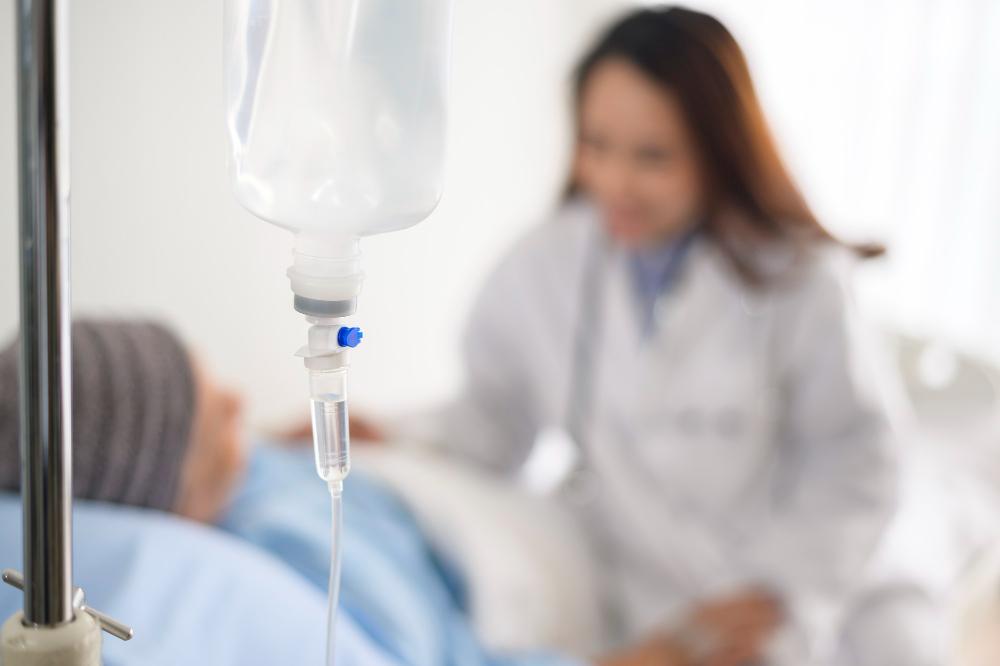
Before starting chemotherapy, your doctor will explain the plan. Usually, chemo is given in cycles. This means you get treatment for a few days, then rest for a few weeks. Chemotherapy can be given in different ways:
- Through a vein (IV infusion)
- As pills or capsules
- By injection
- On the skin (for some cancers)
During treatment, you may spend time at a hospital, clinic, or chemotherapy center. Some people can get chemo at home. While receiving chemo, nurses will watch you closely. They check for side effects and answer your questions. After each session, you may feel tired or have other symptoms. But, many people can return home the same day.
Common Side Effects and How to Manage Them
Because chemotherapy targets fast-growing cells, it can cause side effects. Not everyone has the same side effects. Some common chemotherapy side effects include:
- Tiredness or fatigue
- Nausea and vomiting
- Hair loss
- Loss of appetite
- Increased risk of infection
- Mouth sores
- Easy bruising or bleeding
However, many side effects can be managed. Here are some ways to help:
- Eat small, healthy meals throughout the day
- Drink plenty of fluids
- Rest when you feel tired
- Use gentle hair care products
- Tell your doctor about any new symptoms
Doctors may also give medicines to help with nausea or other symptoms. According to the CDC, most side effects go away after treatment ends.
Tips for Coping with Chemotherapy
Going through chemotherapy can be hard. Still, there are ways to make it easier. Consider these tips for coping with chemotherapy:
- Stay connected with friends and family
- Ask for help with daily tasks
- Join a support group for cancer patients
- Keep a journal to track your feelings and symptoms
- Practice relaxation techniques, like deep breathing
- Talk to your care team about any worries
Remember, you are not alone. Many people find comfort in talking with others who understand.
When to Contact Your Doctor
Sometimes, side effects can be serious. Therefore, you should contact your doctor right away if you have:
- High fever or chills
- Severe nausea or vomiting
- Shortness of breath
- Unusual bleeding or bruising
- Signs of infection, like redness or swelling
Early treatment can prevent problems from getting worse. Always keep your doctor’s contact information handy.
Support Resources for Patients and Families
Support during chemotherapy is important for both patients and families. Many resources can help you cope. For example, you can find:
- Cancer support groups (in-person or online)
- Counseling services
- Nutrition advice from dietitians
- Financial help programs
- Information from trusted sources like the American Cancer Society, WHO, and CDC
Some chemotherapy centers in your area may also offer special programs. Ask your care team about local resources and support options.
Conclusion
Chemotherapy for cancer is a powerful treatment that can help many people. While it can cause side effects, there are ways to manage them. Support from loved ones and healthcare teams makes a big difference. For the best care, consult Dr Geetha Nagasree N for personalized advice and support.