
Breast Cancer – What Precautions You Must Take to Prevent it? How to Prevent Breast Cancer A majority of the women have this question in their minds – Can a Lump in the Breast Be a Warning Sign of Breast Cancer? A very straightforward answer to this question is no. A lump in the breast does not always mean breast cancer. But you have to look out for other signs as well if you notice a lump in your breast. Does breast cancer always come with warning signs? Breast cancer doesn’t always come with warning signs. In many cases, it goes on growing silently without causing any warning signs and symptoms. The majority of women don’t experience any signs and symptoms of breast cancer in the initial stages. Furthermore, breast cancer incidences are rising in women as young as 25 years age. The silent spread of breast cancer is resulting in late detection – mostly in the third and fourth stages. This trend is rampant in India. Late diagnosis is leading to ineffective treatment and poor survival rates. Then, how to catch breast cancer even if it doesn’t show any warning signs? In absence of warning signs and symptoms, many women tend to ignore their breasts. The reason for this is the fact that they don’t know how to do breast-self-examination. When they don’t do breast self-examination, they remain unaware of the potential changes happening to their breasts. Thus, they miss noticing breast cancer in the early stage. Therefore, women must consult their gynaeconcologist and learn how to do breast self-examination. If they find something abnormal then they should go for clinical breast examination (examination by a gynaeconcologist) followed by breast cancer screening. Being a woman, if you follow this protocol, you would be in a position to catch breast cancer in the early stage itself – wherein the effective treatment is possible.What is breast cancer screening? Breast cancer screening begins once you become aware of breast cancer. In the above paragraphs, you have learned how to do breast self-examination. If you notice any abnormality, then immediately consult your gynaeconcologist or a lady breast cancer specialist. Once she detects any abnormality, she will order a mammogram and other breast cancer screening tests including MRI if needed. For women with a strong family history of breast and ovarian cancer, breast cancer screening begins early and may involve MRI and genetic testing.Breast cancers have the highest cure rates if diagnosed in the early stages. Simple tests like mammograms done at appropriate times can detect breast cancers early for a potential cure. Breast cancers are known to occur in close family members, develop at an early age, and tend to be aggressive. These cancers can be predicted and prevented with a high degree of accuracy based on genetic screening.Breast cancer screening is important because many women do not experience symptoms in the early stages of breast cancer.Dr. Geetha Nagasree has more than 20 years of experience in the prevention, diagnosis, and treatment of breast cancer. If you want more information on How to prevent breast cancer by stopping it in its track then meet her for a personal discussion. Heal, Therapy, Insight Facebook Twitter Linkedin
Breast Cancer – What Precautions You Must Take to Prevent it?
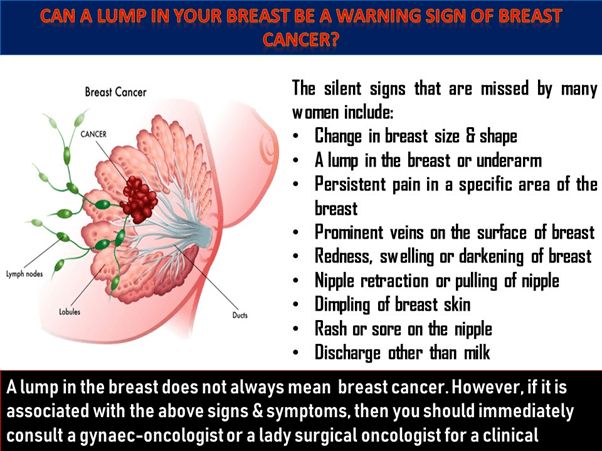
How to Prevent Breast Cancer A majority of the women have this question in their minds – Can a Lump in the Breast Be a Warning Sign of Breast Cancer? A very straightforward answer to this question is no. A lump in the breast does not always mean breast cancer. But you have to look out for other signs as well if you notice a lump in your breast. What you should do if you have the above signs and symptoms and a lump in your breast? If you have a lump in your breast associated with changes in breast size & shape, redness, pain, swelling or darkening of breast, nipple retraction, and discharge other than milk, then consult a gynecologist for a clinical breast examination and diagnosis. What are the early warning signs of breast cancer? Does breast cancer always come with warning signs? Breast cancer doesn’t always come with warning signs. In many cases, it goes on growing silently without causing any warning signs and symptoms. The majority of women don’t experience any signs and symptoms of breast cancer in the initial stages. Furthermore, breast cancer incidences are rising in women as young as 25 years age. The silent spread of breast cancer is resulting in late detection – mostly in the third and fourth stages. This trend is rampant in India. Late diagnosis is leading to ineffective treatment and poor survival rates. Then, how to catch breast cancer even if it doesn’t show any warning signs? In absence of warning signs and symptoms, many women tend to ignore their breasts. The reason for this is the fact that they don’t know how to do breast-self-examination. When they don’t do breast self-examination, they remain unaware of the potential changes happening to their breasts. Thus, they miss noticing breast cancer in the early stage. Therefore, women must consult their gynaeconcologist and learn how to do breast self-examination. If they find something abnormal then they should go for clinical breast examination (examination by a gynaeconcologist) followed by breast cancer screening. Being a woman, if you follow this protocol, you would be in a position to catch breast cancer in the early stage itself – wherein the effective treatment is possible. What is breast cancer screening? Breast cancer screening begins once you become aware of breast cancer. In the above paragraphs, you have learned how to do breast self-examination. If you notice any abnormality, then immediately consult your gynaeconcologist or a lady breast cancer specialist. Once she detects any abnormality, she will order a mammogram and other breast cancer screening tests including MRI if needed. For women with a strong family history of breast and ovarian cancer, breast cancer screening begins early and may involve MRI and genetic testing. Breast cancers have the highest cure rates if diagnosed in the early stages. Simple tests like mammograms done at appropriate times can detect breast cancers early for a potential cure. Breast cancers are known to occur in close family members, develop at an early age, and tend to be aggressive. These cancers can be predicted and prevented with a high degree of accuracy based on genetic screening. Breast cancer screening is important because many women do not experience symptoms in the early stages of breast cancer. Dr. Geetha Nagasree has more than 20 years of experience in the prevention, diagnosis, and treatment of breast cancer. If you want more information on How to prevent breast cancer by stopping it in its track then meet her for a personal discussion.
Minimally Invasive Laparoscopic Surgery | Dr. Geetha N
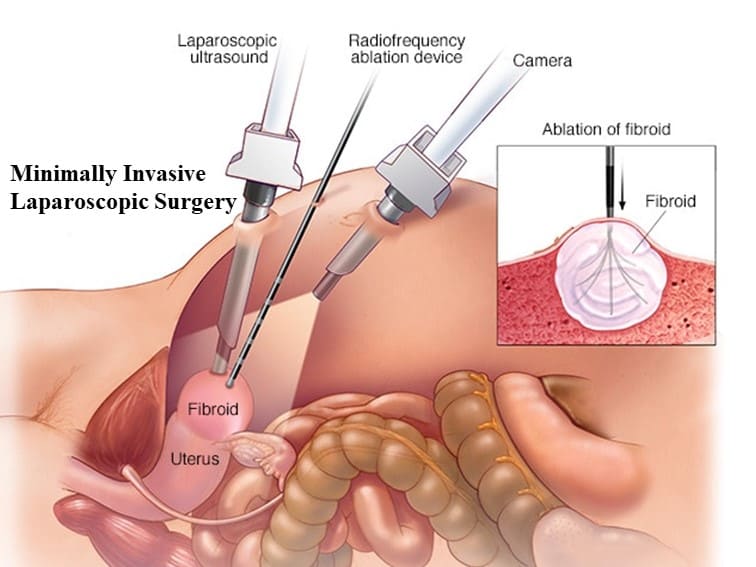
Laparoscopic Surgery for Endometriosis, Fibroids and Uterus Removal The following are some of the most common symptoms many women of reproductive age experience at some point in their lives: “Frequent urination, Low back pain, pain during intercourse, difficulty getting pregnant, Bleeding between periods, Prolonged or heavy periods, Abdominal discomfort, Pelvic pressure and pain” A Gynaecologist recommends laparoscopic surgery for many conditions in women that cause endometriosis, uterine fibroids, chronic pelvic pain, cervical dysplasia (precancerous condition of the cervix), heavy bleeding (uterine bleeding), uterine and cervical cancers, thickening of the uterus (adenomyosis), cervical polyp, endometriosis, and post-menopausal bleeding. The most prominent reason for laparoscopic myomectomy and hysterectomy is uterine fibroids. Laparoscopic surgery for endometriosis Furthermore, Laparoscopy is the gold standard diagnostic and therapeutic procedure for the diagnosis and treatment of endometriosis – the most prominent cause of infertility in women. Meet your gynaecologist to learn more about this procedure, your eligibility, preference and Laparoscopic endometriosis surgery cost in Hyderabad if you are planning laparoscopic endometriosis surgery in Hyderabad. Laparoscopic Surgery Procedure A surgical oncologist or gynecologic oncologist or gynaecologist who specializes in laparoscopic surgery makes three to four small incisions in the abdomen. The surgeon passes small tube-like thin instruments through the incisions into the abdomen. The abdominal cavity is expanded for a clear view of the internal pelvic organs. The most sophisticated and advanced instrument used in this procedure is a laparoscope. It looks tube-like and narrow with a high-resolution camera mounted at its tip. It helps in guiding the surgeon in performing surgery. Therefore, laparoscopic surgery involves the use of a laparoscope. Laparoscopic hysterectomy In a typical laparoscopic hysterectomy procedure, the surgical gynaecologist who specializes in female (gynaecologic) and gynaec oncologic surgeries uses a laparoscope, small tube-like specialized instruments and also a morcellator to cut the uterus into small pieces for ease of removal from the small holes. The lady surgeon (Laparoscopic surgeon) uses a high-end laparoscope with high-intensity light and a camera for this procedure. This helps in mapping the image from the camera onto the screen to perform and monitor the procedure. Laparoscopic myomectomy in Hyderabad This is a minimally invasive procedure. It is done to remove uterine fibroids from the uterus. Dr Geetha Nagasree performs laparoscopic uterine fibroids removal surgery (Laparoscopic myomectomy). A laparoscopic surgeon cuts and removes uterine fibroids by using specialized instruments. Patients who undergo laparoscopic myomectomy have fewer post-surgical complications, shorter hospital stay, less pain, less scarring and minimal blood loss. They return to work and resume their normal activities very fast. One can expect faster recovery, less post-operative pain and a low risk of infection following a laparoscopic myomectomy. Laparoscopic Surgery is the Best Solution for Uterine Fibroids Uterine fibroids are common problems in women of reproductive age. They cause constant, recurrent and nagging health issues and very disturbing symptoms including heavy and abnormal bleeding, abdominal pressure and pelvic pain. Laparoscopic myomectomy is the best solution for this type of common reproductive health issue in women Bottom Line Meet your surgical gynaecologist who specializes in laparoscopic surgery to know whether you are a suitable candidate for laparoscopic surgery. To remove all your doubts and concerns about any of the above-discussed procedures and to know which procedure is suitable for you, fix an appointment with Dr Geetha Nagasree. She will suggest a suitable laparoscopic procedure based on your previous medical history, symptoms, thorough physical examination, uterus size, overall health and individual preferences. Dr Geetha Nagasree, being the first lady M Ch qualified surgical oncologist specializing in all types of gynaecological and gynaec oncological surgeries has more than 20 years of experience in all type of gynaecologic, gynaec oncologic laparoscopic surgeries. Dr Geetha Nagasree is an expert in Laparoscopic Surgery for Endometriosis, Fibroids and Uterus Removal.
Triple-Negative Breast Cancer Treatment | Dr. Geetha Nagasree
Triple-Negative Breast Cancer Treatment | Dr. Geetha Nagasree Triple negative breast cancer treatment: Nearly about 15 – 20% of breast cancers are triple-negative. There are many studies and research activities going on across the world to find new, robust, and interesting medicines, therapies, modalities, techniques, and ways of treating breast cancers of this type. Researchers are trying to understand the processes that cause triple-negative breast cancer and whether certain medications can interfere with these processes. Triple-Negative Breast Cancer Facts Prior to going into more details about triple-negative breast cancer, let us have a look at some of the most common features of this type of breast cancer. These are the most aggressive types, with a poorer prognosis than other types of breast cancer. They can aggressively spread outside the breast, and their recurrence rate is also high. Targeted medicines to treat this type of breast cancer are very few. Triple-negative breast cancers are higher grade compared to other types of breast cancer. On a scale of 1 – 3, their grade is often 3. Most of the triple-negative breast cancers are basal-like, high-grade, aggressive cancers. Triple-Negative Breast Cancers are Difficult to Treat Hormonal therapies and HER2-targeted therapies disrupt the effects of Estrogen, progesterone, and the HER2 protein on breast cancer, which can help slow or even stop the growth of breast cancer cells. Regular breast cancers are susceptible to hormonal therapies and HER2-targeted therapies, as these treatment modalities disrupt the effects of HER2 protein, progesterone, and estrogen hormones on breast cancer. In this way, breast cancer cell growth is slowed down or stopped completely. But the scenario is different with triple-negative breast cancer—owing to the absence of these receptors: estrogen, progesterone, and HER2. Therefore, triple-negative breast cancer doesn’t respond to hormonal and targeted therapies. Aromatase inhibitors and tamoxifen are ineffective against triple-negative breast cancers. These types of breast cancer are also unlikely to respond to medications that target HER2 protein. Triple-Negative Breast Cancer Treatment The treatment of triple-negative breast cancer involves surgery (lumpectomy or mastectomy), radiation therapy, and chemotherapy. Lumpectomy A breast oncoplastic surgeon performs surgery to remove the lump from the breast. She also removes lymph nodes to determine whether cancer has spread to such areas. Mastectomy This type of surgery involves the removal of the affected breast and nearby lymph nodes. A breast oncoplastic surgeon or a female surgical oncologist who specializes in the treatment and management of breast cancer performs surgery to remove the breast. During the same surgical procedure, she may also perform breast reconstruction or breast conservation surgery. Radiation Therapy Radiation therapy is done following lumpectomies or mastectomies. During this procedure, the affected breast is subjected to high-energy radiation to kill the remaining cancer cells. Surgery, Radiation Therapy, and Chemotherapy A combination of surgery, radiation therapy, and chemotherapy is used to treat triple-negative breast cancer. Chemotherapy—drugs are medicines or a combination of medicines that are used to kill cancer cells and are the first thing doctors try. It can be put into a vein through a needle or in a or tablet. If these types of cancers are diagnosed early, they may respond better to chemotherapy than others. Your doctor may administer chemotherapy in three ways: Neoadjuvant therapy includes neoadjuvant chemotherapy, which shrinks the tumor and accelerates the process of killing cancer. This is done before surgery. If you have locally advanced breast cancer, you may prefer this method when your doctor finds it difficult to operate. It is also preferred when it becomes unlikely that the breast can be saved. Adjuvant Therapy Doctors use adjuvant therapy after surgery. If the tumor is large or your lymph nodes are affected, the oncologist may suggest adjuvant therapy. Breast cancer is more likely to relapse. Other types of adjuvant therapy, such as hormone therapy, are not suitable for triple-negative breast cancer. In cases where cancer has spread and surgery is not an option, immunotherapy is used together with chemotherapy. Heal, Therapy, Insight Facebook Twitter Linkedin
Triple-Negative Breast Cancer Treatment | Dr. Geetha Nagasree
Triple negative breast cancer treatment: Nearly about 15 – 20% of breast cancers are triple-negative. There are many studies and research activities going on across the world to find new, robust and interesting medicines, therapies, modalities, techniques, and ways of treating breast cancers of this type. Researchers are trying to understand the processes that cause triple-negative breast cancer and whether certain medications can interfere with these processes. Triple-Negative Breast Cancer Facts Prior to going into more details about triple-negative breast cancer, let us have a look at some of the most common features of this type of breast cancer. These are the most aggressive types with a poorer prognosis than other types of breast cancer. They can aggressively spread outside the breast and their recurrence rate is also high. Targeted medicines to treat this type of breast cancer are very few. Triple-negative breast cancers are higher grade compared to other types of breast cancer. On a scale of 1 – 3, their grade is often 3. Most of the triple-negative breast cancers are basal-like, high-grade, aggressive cancers. Triple-Negative Breast Cancers are Difficult to Treat Hormonal therapies and HER2-targeted therapies disrupt the effects of Estrogen, progesterone, and the HER2 protein on breast cancer, which can help slow or even stop the growth of breast cancer cells. Regular breast cancers are susceptible to hormonal therapies and HER2 targeted therapies as these treatment modalities disrupt the effects of HER2 protein, progesterone, and Estrogen hormones on breast cancer. In this way, breast cancer cell growth is slowed down or stopped completely. But the scenario is different with triple-negative breast cancer – owing to the absence of these receptors – Estrogen, progesterone, and HER2. Therefore, triple-negative breast cancer doesn’t respond to hormonal and targeted therapies. Aromatase inhibitors and tamoxifen are ineffective against triple-negative breast cancers. These types of breast cancer are also unlikely to respond to medications that target HER2 protein. Triple-Negative Breast Cancer Treatment The treatment of triple-negative breast cancer involves surgery (Lumpectomy or mastectomy), radiation therapy, and chemotherapy. Lumpectomy: A breast oncoplastic surgeon performs surgery to remove the lump from the breast. She also removes lymph nodes to know whether cancer has spread to such areas. Mastectomy: This type of surgery involves the removal of the affected breast and nearby lymph nodes. A breast oncoplastic surgeon or a female surgical oncologist who specializes in the treatment and management of breast cancer performs surgery to remove the breast. During the same surgical procedure, she may also perform breast reconstruction or breast conservation surgery. Radiation Therapy: Radiation therapy is done following lumpectomies or mastectomies. During this procedure, the affected breast is subjected to high-energy radiation to kill the remaining cancer cells. Surgery, Radiation Therapy, and Chemotherapy A combination of surgery, radiation therapy, and chemotherapy are used to treat triple-negative breast cancer. Chemotherapy – drugs are medicines or a combination of medicines that are used to kill cancer cells and are the first thing doctors try. It can be put into a vein through a needle or in a or tablet. If these types of cancers are diagnosed early, they may respond better to chemotherapy than others. Your doctor may administer chemotherapy in three ways: Neoadjuvant therapy includes neoadjuvant chemotherapy, which shrinks the tumour and accelerates the process of killing cancer. This is done before surgery. If you have locally advanced breast cancer, you may prefer this method, when your doctor finds it difficult to operate. It is also preferred when it becomes unlikely that the breast can be saved. Adjuvant Therapy Doctors use adjuvant therapy after surgery. If the tumor is large or your lymph nodes are affected, the oncologist may suggest adjuvant therapy. Breast cancer is more likely to relapse. Other types of adjuvant therapy, such as hormone therapy, are not suitable for triple-negative breast cancer. In cases where cancer has spread and surgery is not an option, immunotherapy is used together with chemotherapy.
World No Tobacco Day – Stop Smoking Today To Live Longer
World No Tobacco Day—Stop Smoking Today To Live Longer 31ST May is designated as World No Tobacco Day (WNTD) every year. The World Health Organization’s initiative highlights the ill effects of tobacco and encourages tobacco users to have at least one day off or 24 hours of abstinence from tobacco usage in any form. World No Tobacco Day The member states of the World Health Organization came up with the WNTD, but since its inception, the day has remained most controversial, with even the strong pro-tobacco lobby heightening their efforts to promote the usage of tobacco around that date using various direct and surrogate methods. WNTD is represented beautifully by a clean ashtray with fresh flowers. Tobacco-free Initiative WHO and the WNTD have several initiatives that are a significant landmark in the fight against tobacco and tobacco-related diseases. In 1998, WHO adopted the tobacco-free initiative framework, and the Convention on Tobacco Control was adopted in 2003 by various countries to implement policies directed towards stopping the use of tobacco. Quit Tobacco To Be a Winner In 2008, Tobacco-Free Youth started targeted advertisements towards youth, and in 2016, WHO called for plain packaging of tobacco products. Though these are some major landmarks, challenges remain, and this year in 2021, the theme is “Quit Tobacco to be a Winner.” The focus is on the negative impact that tobacco has on people’s health and how quitting tobacco would help tackle various health issues. Deleterious Effects of Tobacco Use Tobacco affects in several ways. Both the smoking and the non-smoking versions of tobacco consumption—including chewing, zardas, and using tobacco as an admixture of various chewables—are dangerous in their own way. Smoking tops the list since it is deleterious not only to smokers but also to those around them. Not only does it cause harm, but also physical and psychological dependency. Youth and children are trapped, and the overall effect is catastrophic. The smokers’ victims are poor women in the house too who are affected by passive smoking. Smoking causes effects on several organs in the body in a primary as well as a secondary manner. Primarily affected are the lungs, causing chronic obstructive pulmonary disease, pneumonia, asthma, and lung cancer. It affects the heart, causing heart disease and heart failure, and the vascular system, causing gangrene and non-healing ulcers. Smoking and Cancers Smoking causes cancers of various organs, such as the lungs, larynx, mouth, bladder, and pancreas. It causes high blood pressure and brain strokes. Smoking causes abortion, miscarriages, and premature/low-birth-weight babies in women and erectile dysfunction in men. Smoking is identified as a cause of several health issues in almost 85% of cases. Smoking is the most common cause of preventable deaths worldwide (5 million deaths per year). Male and female smokers lower 12.2 to 14.5 years of their lives by smoking. Each cigarette reduces life by 11 minutes. Cancer and smoking A number of cancers are caused primarily by smoking, including the cancers of the lungs, kidney, larynx, head and neck, bladder, esophagus, stomach, and pancreas. There is a small increase in blood cancers, liver, colorectal, gallbladder, and possibly breast cancer. Tobacco causes harm to the body in several ways with both known and unknown mechanisms. For a smoker, the harm is caused not just by tobacco but also by other substances such as the burning of paper, tar, and other ingredients. Even the dangers of tobacco are amplified due to the addition of substances such as lime, as in khaini. Carcinogenic compounds in tobacco These substances cause depletion of antioxidants, causing promotion of tumor-forming genes and suppression of tumor-suppression genes. Tobacco increases the level of unhealthy cholesterol in the blood, making blood vessels less flexible and causing injury to blood vessels, making them more prone to clotting. Smoking Effects on Body Smoking causes direct damage to the kidneys. The risk of oral cancer is the most prominent. India can almost be called the capital of oral cancers in the world due to the high incidence of oral cancers due to chewing tobacco and smoking beedis. There are long-term effects of smoking on memory and behavior. Alzheimer’s and nervousness are common among smokers. Smoking and Covid-19 The Covid pandemic has laid special emphasis on lung health and tobacco, and two of the main complications of covid have been increased due to the use of tobacco. One is the deterioration of the status of lung health. As lungs are most commonly affected in Covid, it goes without saying that smokers are most vulnerable to severe Covid infections. And the other risk factor is increased tendencies for blood clotting, and this can be increased due to the effect of smoking too, and thus smokers are known to have a far severe form of Covid and more disastrous consequences and sequelae. Benefits of Quitting Smoking On the other hand, the benefits of quitting are almost instant, with the heart rate and blood pressure drop seen within 20 minutes, the toxic carbon monoxide levels dropping to normal within 12 hours, and the lung function and circulation improvement seen anywhere between 2 weeks and 3 months. By around 9 months to 1 year, the lung function improves substantially. Therefore, quitting tobacco has far-reaching benefits. The use of tobacco in India is uniquely divided into 2 segments. In the affluent class, it is mostly in the form of smoking, whereas in the not-so-affluent class, it is in the form of smokeless tobacco. This is, however, not to discount the harmful effect of secondary smoking and even tertiary smoking, where the effects of smoking persist long after the smokers have left the scene. The Global Adult Tobacco Survey India study (GATS 2010) GATS 2010 has revealed startling results. According to the study, India has 270 million users, with 163 million use smokeless tobacco, 68.4 million are smokers and 42.3 million use both smokeless tobacco and also smoke. The prevalence in men is 48% and the prevalence in women is 20%. India has more smoking women 12.1 million than

World No Tobacco Day – Stop Smoking Today To Live Longer
31ST May is designated as World No Tobacco Day (WNTD) every year. The World Health Organization’s initiative highlights the ill effects of tobacco and encourages tobacco users to have at least one day off or 24 hours of abstinence from tobacco usage in any form. The member states of the World Health Organization came up with the WNTD, but since its inception, the day remained most controversial, with even the strong pro-tobacco lobby heightening their efforts to promote the usage of tobacco around that date using various direct and surrogate methods. WNTD is represented beautifully by a clean ashtray with fresh flowers. WHO and the WNTD has several initiatives which are a significant landmark in the fight against tobacco and tobacco-related diseases. In 1998, WHO adopted the tobacco-free initiative framework and the convention on tobacco control was adopted in 2003 by various countries to implement policies directed towards stopping the use of tobacco. In 2008, Tobacco-Free Youth started targeted advertisements towards youth; and in 2016, WHO called for plain packaging of tobacco products. Though these are some major landmarks, challenges remain, and this year in 2021, the theme is “Quit Tobacco to be a Winner” The focus is on the negative impact that tobacco has on people’s health, and how quitting tobacco would help tackle various health issues. Tobacco affects in several ways. Both the smoking and the non-smoking versions of tobacco consumption including chewing, zardas, and using tobacco as an admixture of various chewable – is dangerous in their own way. Smoking tops the list since it is deleterious not only to smokers but also to those around them. Not only does it cause harm, but also physical and psychological dependency. Youth and children are trapped and the overall effect is catastrophic. The smokers’ victims are poor women in the house too who are affected by passive smoking. Smoking causes effects on several organs in the body in a primary as well as a secondary manner. Primarily affected are the lungs causing chronic obstructive pulmonary disease, pneumonia, asthma and lung cancer. It affects the heart causing heart disease and heart failure, and the vascular system causing gangrene and non-healing ulcers. Smoking causes cancers of various organs such as the lungs, larynx, mouth, bladder and pancreas. It causes high blood pressure and brain stokes. Smoking causes abortion, miscarriages and premature/ low birth weight babies in women and erectile dysfunction in men. smoking is identified as a cause of several health issues in almost 85% of cases. Smoking is the most common cause of preventable deaths worldwide (5 million deaths per year). Male and female smokers lower 12.2 to 14.5 years of their lives by smoking. Each cigarette reduces life shorter by 11 minutes. Cancer and smoking – a number of cancers are caused primarily by smoking; including the cancers of the lungs, kidney, larynx, head and neck, bladder, oesophagus, stomach and pancreas. There is a small increase in blood cancers, liver, colorectal gall bladder and possibly breast cancer. Tobacco causes harm to the body in several ways with both known and unknown mechanisms. For a smoker, the harm is caused not just by tobacco, but also by other substances such as the burning of paper, tar and other ingredients. Even the dangers of tobacco are amplified due to the addition of substances such as lime as in Khaini. These substances cause depletion of antioxidants, causing promotion of tumour forming genes and suppression of tumour suppression genes. Tobacco increases the level of unhealthy cholesterol in the blood, making blood vessels less flexible and causing injury to blood vessels making them more prone to clotting. Smoking causes direct damage to the kidneys. The risk of oral cancer is the most prominent. India can almost be called the capital of oral cancers in the world due to the high incidence of oral cancers due to chewing tobacco and smoking beedis. There are long term effects of smoking on memory, and behaviour. Alzheimer’s and nervousness are common among smokers. The Covid pandemic has laid special emphasis on lung health and tobacco, and two of the main complications of covid have been increased due to the use of tobacco. One is the deterioration of the status of lung health. As lungs are most commonly affected in Covid, it goes without saying that smokers are most vulnerable to severe Covid infections. And the other risk factor is increased tendencies for blood clotting, and this can be increased due to the effect of smoking too, and thus smokers are known to have a far severe form of Covid and more disastrous consequences and sequelae. On the other hand, the benefits of quitting are almost instant, with the heart rate and blood pressure drop seen within 20 minutes; the toxic carbon monoxide levels dropping to normal within 12 hours, and the lung function and circulation improvement seen anywhere between 2 weeks to 3 months. By around 9 months to 1 year, the lung function improves substantially. Therefore, quitting tobacco has far-reaching benefits. The use of tobacco in India is uniquely divided into 2 segments. In the affluent class, it is mostly in the form of smoking whereas in the not so affluent class it is in the form of smokeless tobacco. This is, however, not to discount the harmful effect of secondary smoking and even tertiary smoking, where the effects of smoking persist long after the smokers have left the scene. The Global Adult Tobacco Survey India study (GATS 2010) has revealed startling results. According to the study, India has 270 million users, with 163 million use smokeless tobacco, 68.4 million are smokers and 42.3 million use both smokeless tobacco and also smoke. The prevalence in men is 48% and the prevalence in women is 20%. India has more smoking women 12.1 million than every other country in the world except the United States. Due to the drive against smoking, smoking has reduced in men; however, the incidence remains the same amongst women. A majority of the
Endometriosis Treatment – Is Laparoscopy the Best?
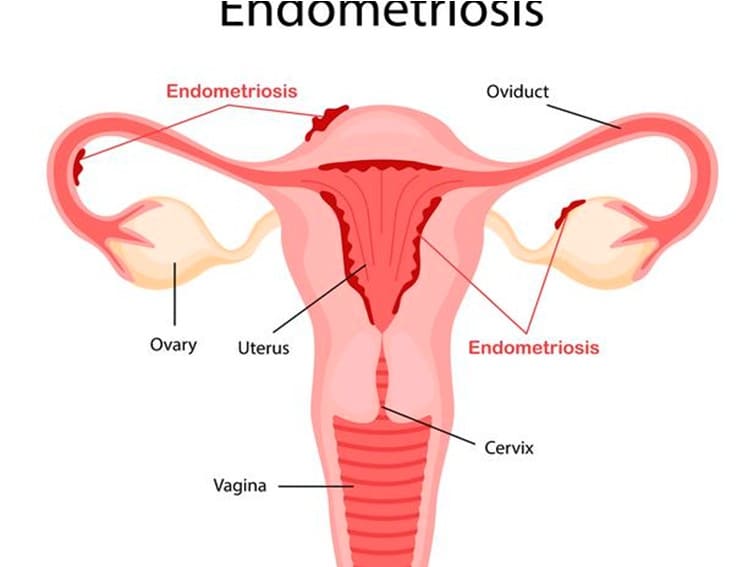
Endometriosis Treatment—Is Laparoscopy the Best? Endometriosis treatment in Hyderabad: Your gynaecologist diagnoses endometriosis and any other condition that can cause pelvic pain based on the symptoms, their severity, location and severity of pain, physical examination and diagnostic tests. The following tests may help to get some hints of endometriosis: Pelvic examination: During a typical pelvic examination, your gynaecologist palpates or feels the organs of your pelvis, scars or cysts on the uterus and reproductive organs. However, it is difficult for the doctor to feel abnormalities related to endometriosis, unless there is some form of cyst or tissue growth. Abdominal Ultrasound Gynaecologists recommend abdominal ultrasound or transvaginal ultrasound to obtain the images by means of a probe called a transducer which is pressed against your abdomen. Both types of ultrasound may help get the best images of the reproductive organs and also help in identifying cysts associated with endometriosis. MRI Similarly, an MRI exam that uses magnetic fields and waves also provide detailed images of the internal reproductive organs and tissues in the body. It is also helpful in providing comprehensive details about the size, extent and location of endometrial tissues. It also helps in surgical planning. When is Laparoscopy recommended? Sometimes abdominal ultrasound and even MRI cannot confirm the cause of certain gynaecological problems – such as endometriosis – and therefore, gynaecologists recommend laparoscopy. A gynaecologist or a gynecologic oncologist who specializes in laparoscopic surgery provides the best diagnostic and therapeutic solution for endometriosis. In fact, according to many experts, the best way to deal with endometriosis or the best diagnostic and therapeutic procedure for endometriosis is “Laparoscopy”. It is the best alternative to open surgery as well for several gynaecological health issues. Advantages of Laparoscopy Even women who wish to maintain their fertility potential should consider laparoscopic surgery. In a nutshell, laparoscopy is both diagnostic and therapeutic for endometriosis because it requires minimal incisions, shorter operative time and shorter hospital stays. Even the complications after surgery are quite less. Endometriosis treatment in Hyderabad for restoring fertility: If infertility is due to endometriosis, laparoscopy is the most preferred and recommended diagnostic and therapeutic procedure for the diagnosis and treatment of infertility. Use of a Laparoscope During Laparoscopy A laparoscope is a thin, long and sleek instrument – which is mostly tube-like with a high-resolution camera and light. Laparoscopy is generally performed under general anaesthesia. The procedure is immensely helpful in looking for the signs of endometrial tissues outside the uterus. The gynaecologist who performs laparoscopy makes three to four small incisions in the abdominal area (near the navel). She inserts the laparoscope and other specialized surgical instruments through them. The surgeon operating on pelvic organs sees the images of the organ on a video monitor. The images come from the camera mounted on the laparoscope. Laparoscopy is often recommended to identify, diagnose, and treat the source of an abdominal and pelvic issue – mostly gynaecological condition. Diagnostic laparoscopy and Laparoscopic Surgery for Endometriosis For the diagnosis of endometriosis, the most preferred diagnostic procedure is laparoscopy. It helps in keenly examining pelvic organs thoroughly and detecting any abnormal growth in the reproductive organs in the pelvic region. It is a minimally invasive, low-risk procedure – which is helpful in real-time viewing of pelvic and reproductive organs inside a woman’s body. A gynaecologist can also collect biopsy samples during the laparoscopic procedure. Your gynaecologist can completely treat endometriosis during laparoscopy itself – which means you will need only one surgery – that’s all. However, your gynaecologist plan surgery based on the symptoms, the severity of the problem and prognosis and prospects of fertility. When do you need laparoscopic surgery for endometriosis? Your doctor may recommend surgery for you based on several factors. When you should prefer surgery may also depend on your symptoms, severity of pain, age and overall health. Anyway, you should talk to your gynaecologist if there is a possibility of growth in the pelvic area and its associated reproductive organs and due to which you have difficulty getting pregnant. In addition, you have severe pelvic pain and to get the relief you tried medication – but the symptoms didn’t get under control. In either case, you should consult a specialist doctor for endometriosis treatment. For the best endometriosis treatment in Hyderabad, book an appointment with Dr Geetha Nagasree. Heal, Therapy, Insight Facebook Twitter Linkedin
Endometriosis Treatment – Is Laparoscopy the Best?
Endometriosis treatment in Hyderabad: Your gynaecologist diagnoses endometriosis and any other condition that can cause pelvic pain based on the symptoms, their severity, location and severity of pain, physical examination and diagnostic tests. The following tests may help to get some hints of endometriosis: Pelvic examination: During a typical pelvic examination, your gynaecologist palpates or feels the organs of your pelvis, scars or cysts on the uterus and reproductive organs. However, it is difficult for the doctor to feel abnormalities related to endometriosis, unless there is some form of cyst or tissue growth. Abdominal Ultrasound Gynaecologists recommend abdominal ultrasound or transvaginal ultrasound to obtain the images by means of a probe called a transducer which is pressed against your abdomen. Both types of ultrasound may help get the best images of the reproductive organs and also help in identifying cysts associated with endometriosis. MRI Similarly, an MRI exam that uses magnetic fields and waves also provide detailed images of the internal reproductive organs and tissues in the body. It is also helpful in providing comprehensive details about the size, extent and location of endometrial tissues. It also helps in surgical planning. When is Laparoscopy recommended? Sometimes abdominal ultrasound and even MRI cannot confirm the cause of certain gynaecological problems – such as endometriosis – and therefore, gynaecologists recommend laparoscopy. A gynaecologist or a gynecologic oncologist who specializes in laparoscopic surgery provides the best diagnostic and therapeutic solution for endometriosis. In fact, according to many experts, the best way to deal with endometriosis or the best diagnostic and therapeutic procedure for endometriosis is “Laparoscopy”. It is the best alternative to open surgery as well for several gynaecological health issues. Advantages of Laparoscopy Even women who wish to maintain their fertility potential should consider laparoscopic surgery. In a nutshell, laparoscopy is both diagnostic and therapeutic for endometriosis because it requires minimal incisions, shorter operative time and shorter hospital stays. Even the complications after surgery are quite less. Endometriosis treatment in Hyderabad for restoring fertility: If infertility is due to endometriosis, laparoscopy is the most preferred and recommended diagnostic and therapeutic procedure for the diagnosis and treatment of infertility. Use of a Laparoscope During Laparoscopy A laparoscope is a thin, long and sleek instrument – which is mostly tube-like with a high-resolution camera and light. Laparoscopy is generally performed under general anaesthesia. The procedure is immensely helpful in looking for the signs of endometrial tissues outside the uterus. The gynaecologist who performs laparoscopy makes three to four small incisions in the abdominal area (near the navel). She inserts the laparoscope and other specialized surgical instruments through them. The surgeon operating on pelvic organs sees the images of the organ on a video monitor. The images come from the camera mounted on the laparoscope. Laparoscopy is often recommended to identify, diagnose, and treat the source of an abdominal and pelvic issue – mostly gynaecological condition. Diagnostic laparoscopy and Laparoscopic Surgery for Endometriosis For the diagnosis of endometriosis, the most preferred diagnostic procedure is laparoscopy. It helps in keenly examining pelvic organs thoroughly and detecting any abnormal growth in the reproductive organs in the pelvic region. It is a minimally invasive, low-risk procedure – which is helpful in real-time viewing of pelvic and reproductive organs inside a woman’s body. A gynaecologist can also collect biopsy samples during the laparoscopic procedure. Your gynaecologist can completely treat endometriosis during laparoscopy itself – which means you will need only one surgery – that’s all. However, your gynaecologist plan surgery based on the symptoms, the severity of the problem and prognosis and prospects of fertility. When do you need laparoscopic surgery for endometriosis? Your doctor may recommend surgery for you based on several factors. When you should prefer surgery may also depend on your symptoms, severity of pain, age and overall health. Anyway, you should talk to your gynaecologist if there is a possibility of growth in the pelvic area and its associated reproductive organs and due to which you have difficulty getting pregnant. In addition, you have severe pelvic pain and to get the relief you tried medication – but the symptoms didn’t get under control. In either case, you should consult a specialist doctor for endometriosis treatment. For the best endometriosis treatment in Hyderabad, book an appointment with Dr Geetha Nagasree.
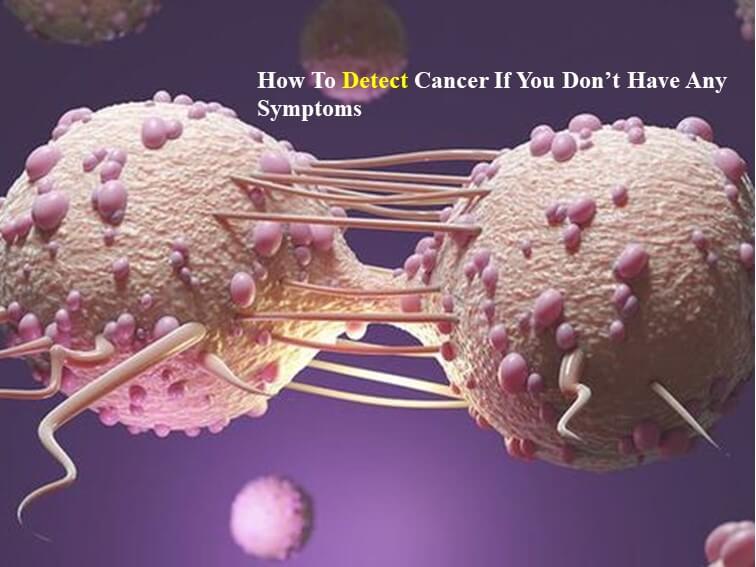
How to Detect Cancer If You Don’t Have any Symptoms
How to detect cancer without symptoms: Heart disease is the first major cause of death across the world, and the second leading cause of death is CANCER. Cancer often has no symptoms—ovarian, breast, and cervical cancers in the initial stages develop without showing any symptoms.
